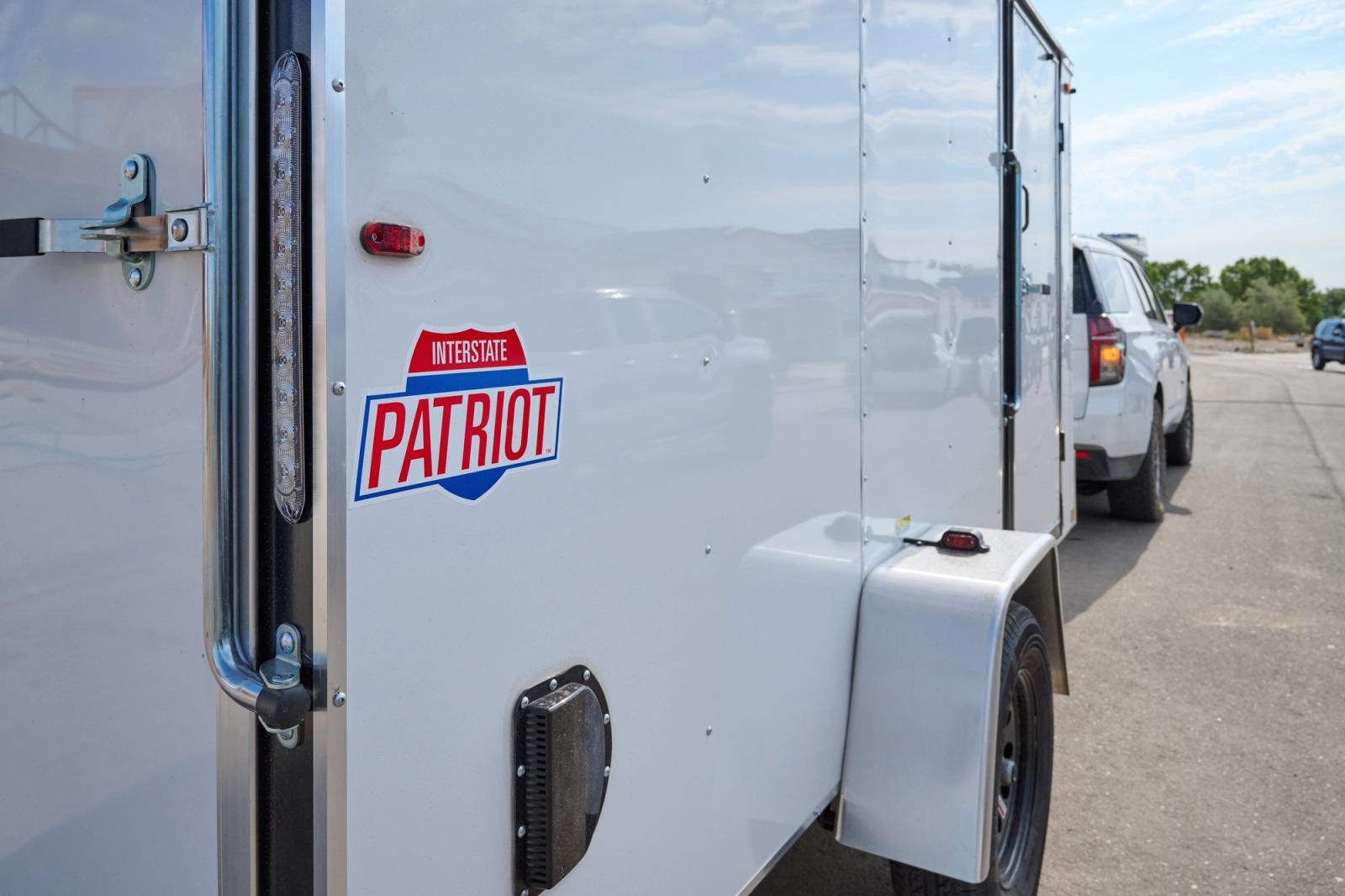
- Cargo Trailers
Key Takeaways
- Columbus sits at the I-70 and I-71 crossroads, which shapes how local businesses move goods.
- An enclosed cargo trailer gives a small operator secure, weatherproof capacity without a box truck.
- Size to your fullest routine load, and pay attention to how you load, not just volume.
- Browse enclosed cargo trailers near Columbus to compare sizes.
A City That Moves Things
Columbus is a logistics town in a way few cities its size are. Sitting where I-70 and I-71 cross, within a day's drive of a large share of the country's population, the region has built an economy around distribution, warehousing, and the movement of goods. That shows up at every scale - not just the big freight operations, but the small delivery outfits, couriers, installers, and mobile service businesses working out of the suburbs and the industrial corridors.
For a lot of those operators, the vehicle question comes up early. A van fills up fast. A box truck is a bigger commitment than the business is ready for, in cost, in parking, and in who can legally drive it. An enclosed cargo trailer sits neatly in between, and for many small Columbus operations it is the right answer for years.
Why a Trailer Instead of a Box Truck
The practical case is straightforward. An enclosed cargo trailer costs a fraction of a box truck, tows behind a pickup most small businesses already own, and can be unhitched and left loaded at a site or a shop. You are not paying for a second engine, second insurance policy, or second set of maintenance. And when the work is slow, the trailer sits without costing you anything.
The trade-off is honest: you need a capable tow vehicle, and maneuvering a trailer through tight urban delivery situations takes practice. For operations running dense downtown routes all day, a van still wins. For operations doing fewer, larger stops - installs, deliveries out to the suburbs, event work, route service - the trailer usually comes out ahead.
Sizing It to the Work
The instinct is to size by volume, but the more useful question is what a full day looks like. Load the biggest day you run regularly, not the average one, and leave room. Operators consistently report that they outgrow a trailer faster than they expected, usually because the business grows into it.
Rough guidance
A 6x12 handles a single-operator delivery or service load comfortably. A 7x14 or 7x16 gives room for larger items, organized shelving, and a second person working inside. Above that, an 8.5-wide becomes a genuine mobile base for a crew, though it asks more of your tow vehicle and your parking.
How You Load Matters as Much as How Much
This is the detail that separates a trailer that works from one that frustrates. A rear ramp door lets you roll a loaded hand truck or pallet jack straight in, which over hundreds of stops is a genuinely different experience from lifting everything over a threshold. A side door means reaching the frequently-needed items without unpacking. For most delivery and service work, having both is worth the small added cost.
Interior organization is the other half. Shelving along the walls, wall track for securing items in transit, and tie-down points that let you load partially without everything shifting on the drive - these turn a box into a working vehicle.
Security When It Sits
A locked steel trailer parked at a shop, a job site, or your own property is meaningfully more secure than a loaded van in a driveway, and considerably more secure than an open trailer. For anyone carrying inventory or tools overnight, that matters. It also means you can load the night before and roll in the morning rather than staging everything at 6am.
Making the Numbers Work
For a growing operation, the purchase often pencils out better than expected once you factor in what you are not buying - the second vehicle, its insurance, its maintenance. Financing spreads the cost across the seasons the trailer is earning, and the two included 40-point safety inspections keep the running gear right through heavy use. Browse enclosed cargo trailers near Columbus and come talk through your routes at the Grove City store.
Frequently Asked Questions
Is a cargo trailer better than a box truck for a small business?
For operations doing fewer, larger stops it usually is - far lower cost, tows behind a pickup you may already own, and can be left loaded. For dense all-day urban routes, a van or box truck may still suit better.
What size cargo trailer for a delivery or service business?
A 6x12 suits a single operator. A 7x14 or 7x16 gives room for larger items, shelving, and a second person working inside. Size to your busiest routine day, not the average one.
Should I get a ramp door or barn doors?
A rear ramp door makes loading hand trucks and pallet jacks far easier over hundreds of stops. Many operators want a side door as well for reaching frequently-needed items without unpacking.
Can I organize the interior for route work?
Yes. Shelving, wall track, and tie-down points are common additions and are what turn a cargo box into a working vehicle. The steel shell takes build-outs readily.
Where can I see these near Columbus?
At the Grove City store on the southwest side. Browse inventory near Columbus and schedule a visit.