installs - service - repairs
If you need service for your trailer, please call (559) 473-1360 or schedule an appointment today.
Schedule Service NowOur Trailer Experts Specialize In:
Fender repair/ replacement

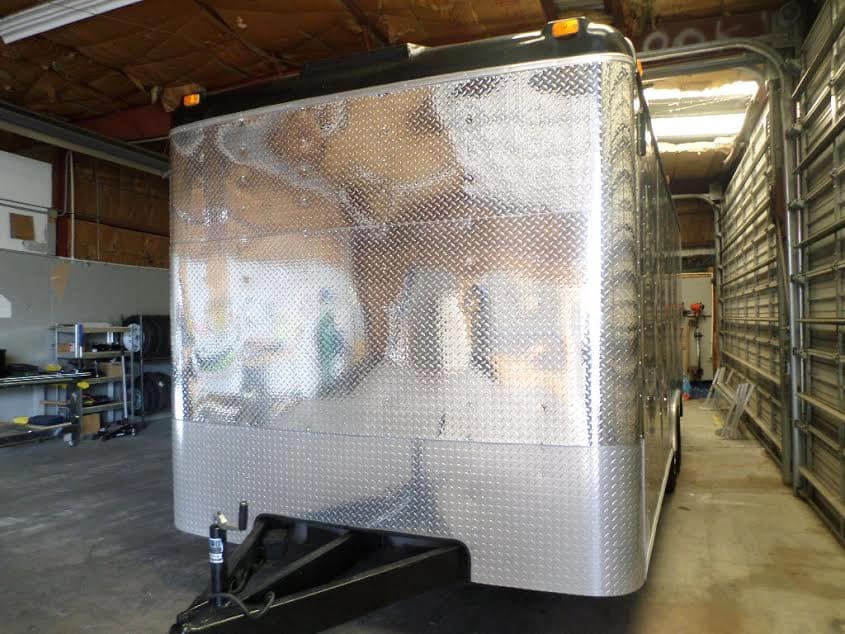
Aluminum skin repair

Wheel bearing replacement

Electrical wiring and lighting issues

Tire replacement

Tongue jack repairs

Roof leaks

Cap replacement

Interior flooring repair

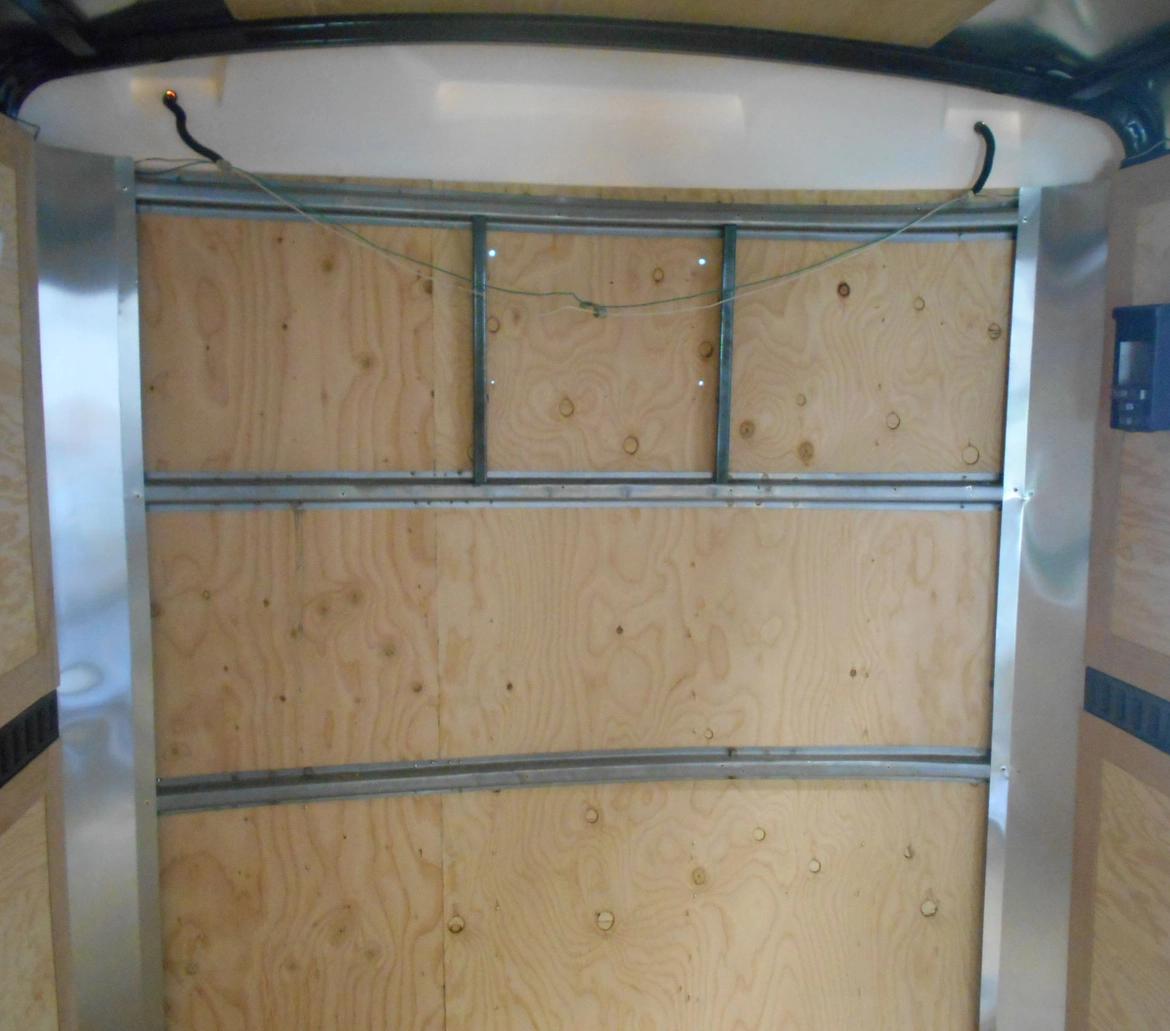
Interior walls repair

Brake adjustments

Leaf spring repair/ replacement

Spring assist repair/ replacement

Stone guard replacement

before and after
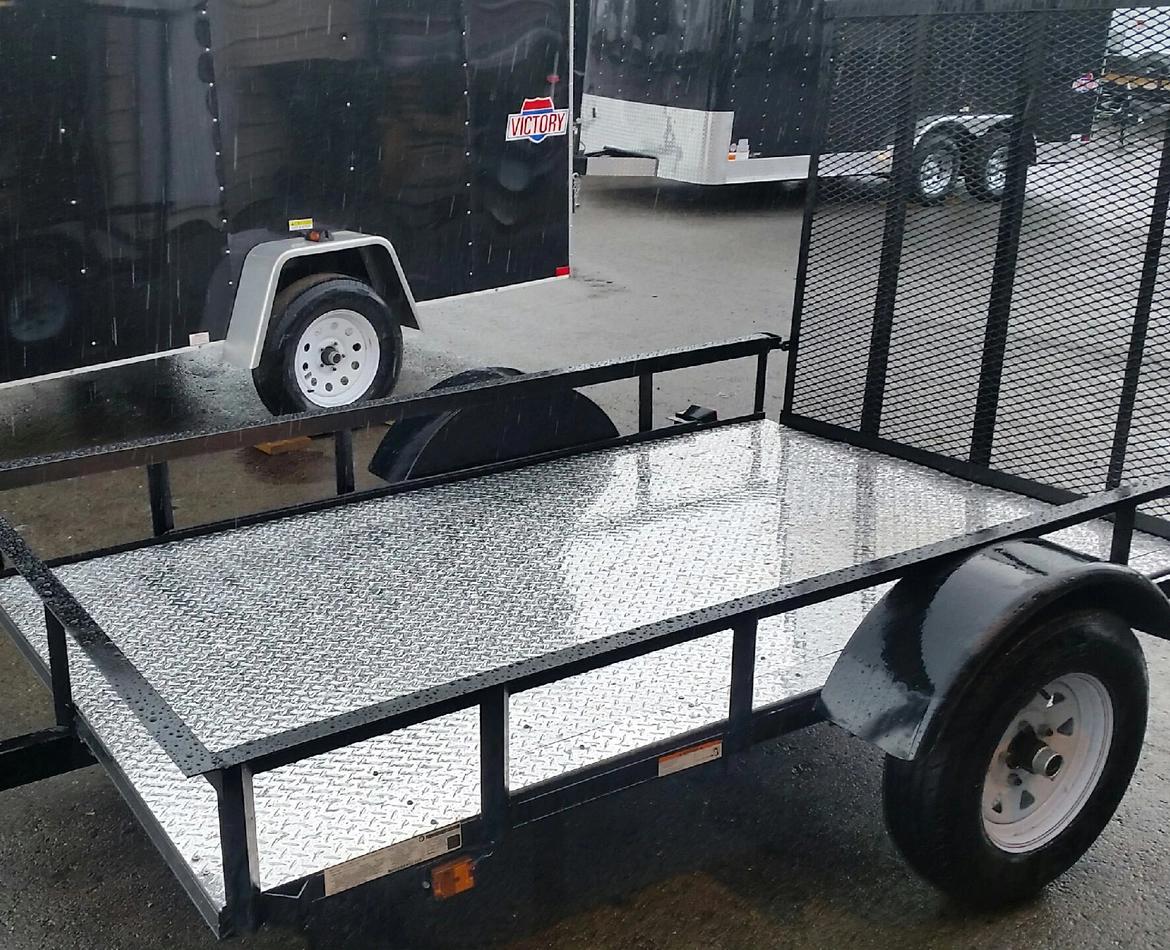
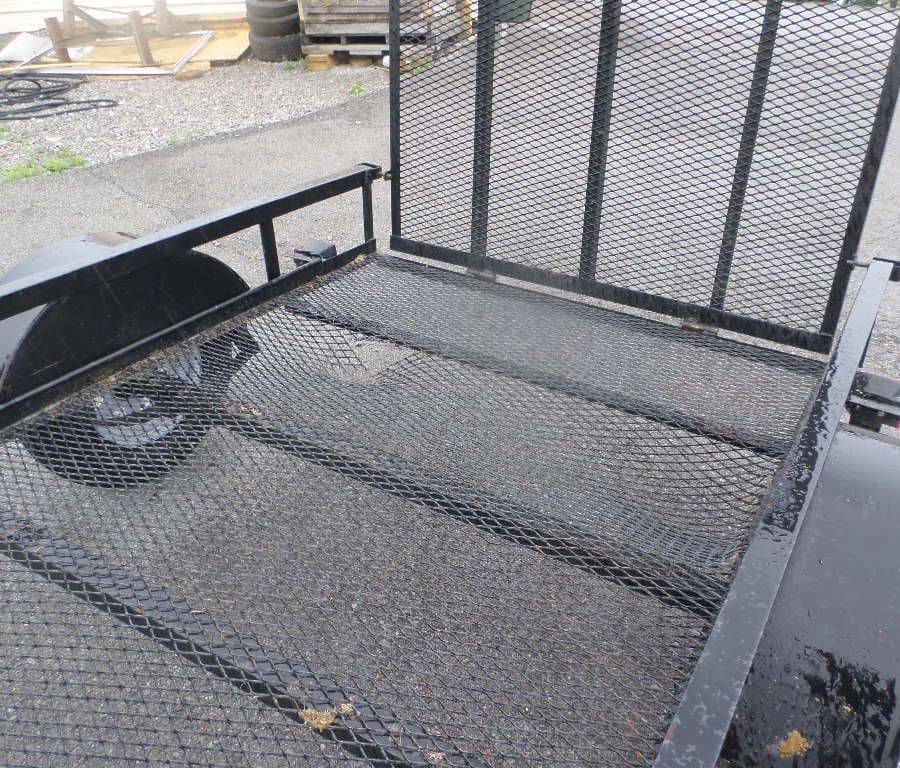
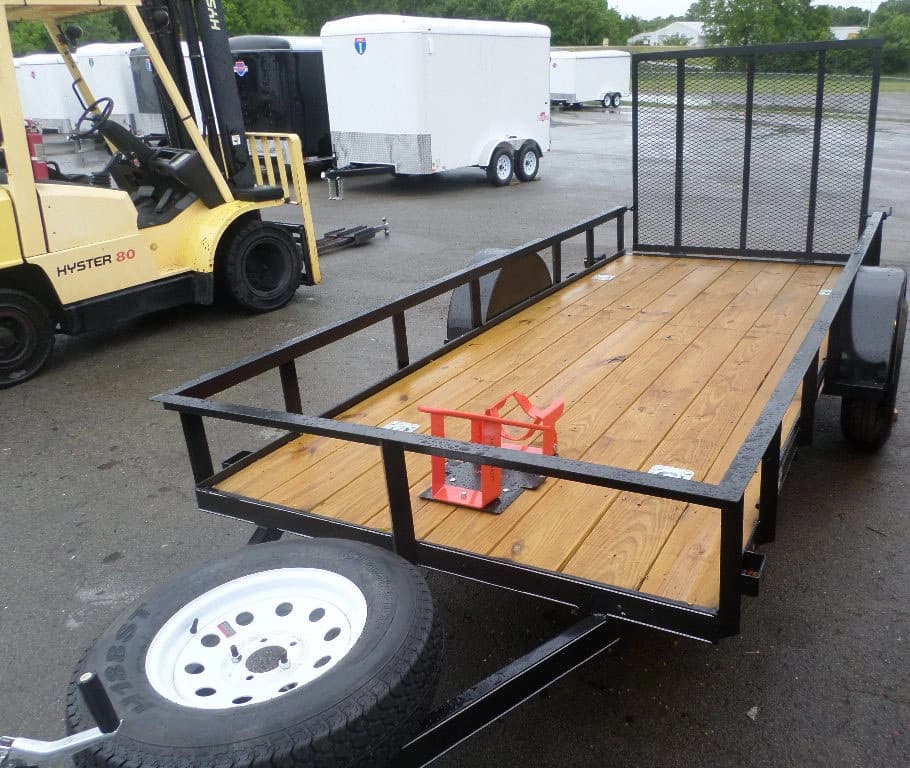
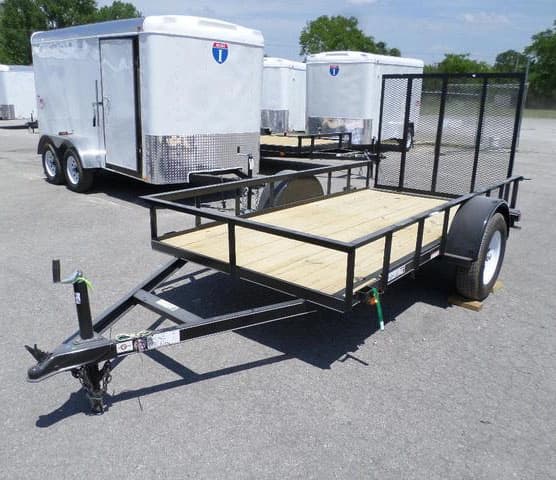
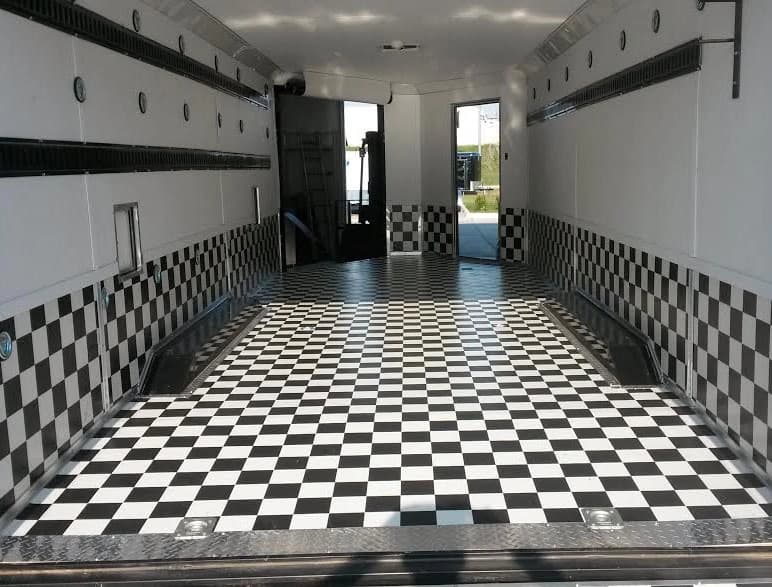
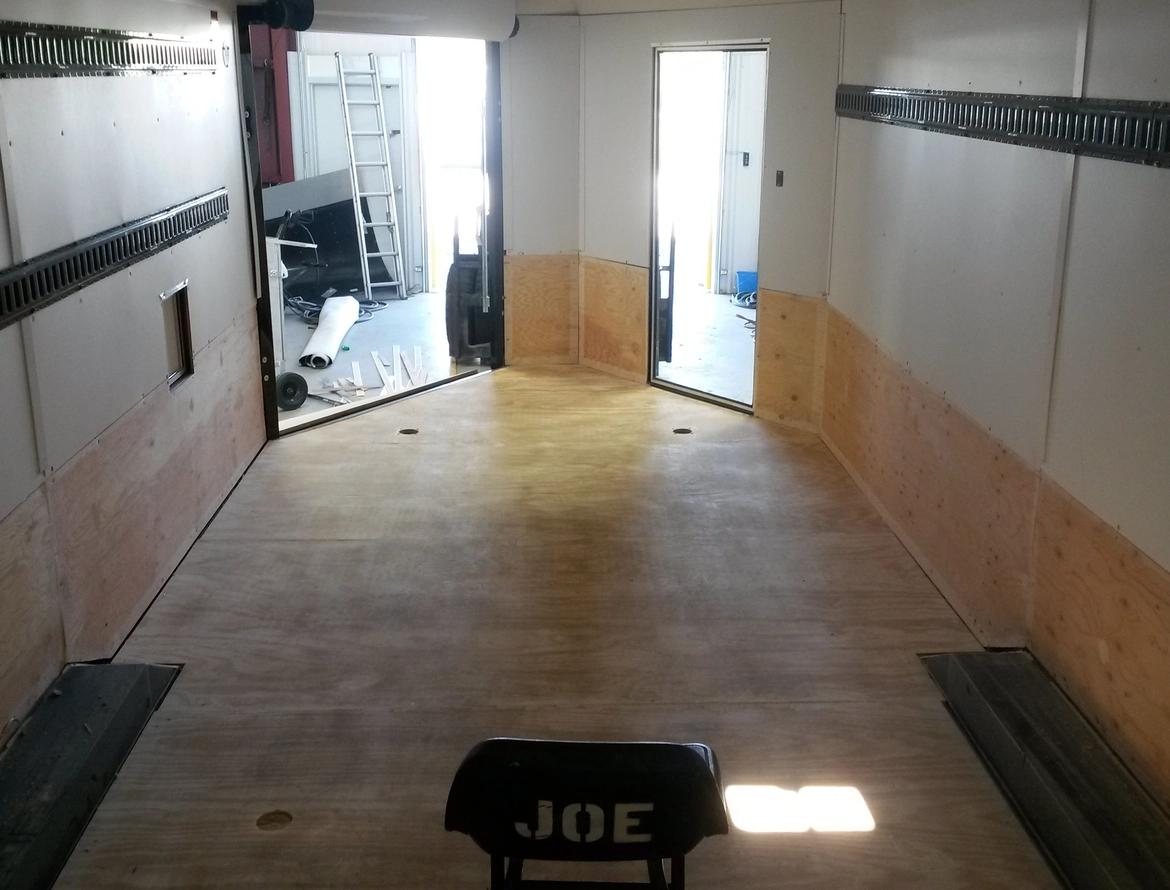
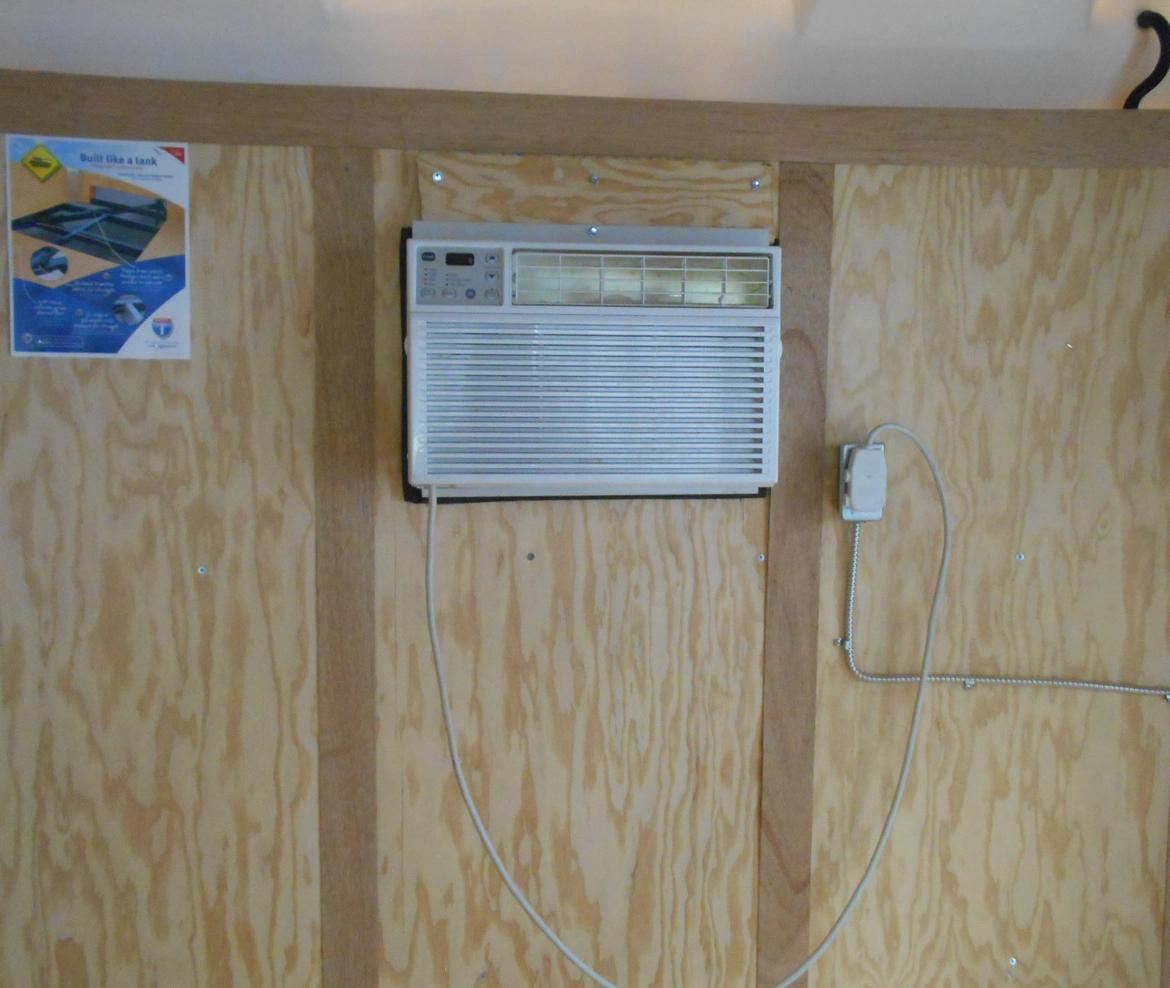
Trailer Service and Repair in Marysville
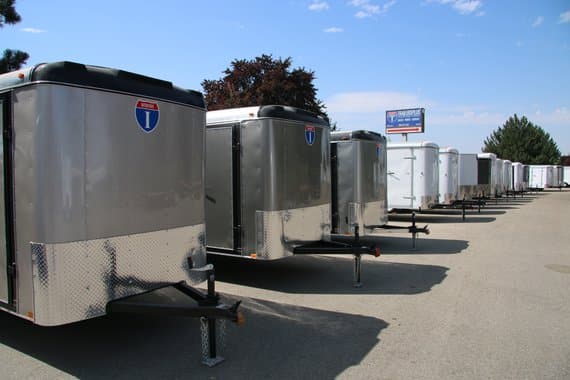
Parts counter and service bay on 136th Street NE. We work on what we sold and on what we did not.
Most people who call this shop do not know what is wrong. They know what the trailer is doing. So this is arranged by symptom - find the thing yours is doing and read across to what it usually means.
"There is a noise"
A low growl or hum that rises and falls with road speed, not engine speed, is a wheel bearing almost every time. It gives warning for weeks before it fails, and the warning is nearly always ignored. Book it.
A rhythmic clunk over bumps is usually suspension - shackles, bushings, or an equalizer that has worn. Annoying rather than urgent, but it does not fix itself.
A metallic scrape when braking is brake shoes at the end of their life, or a drum that has scored. Both are cheap now and expensive after another month.
"Something is hot"
Put a hand near each hub after a run - not on it. One hub noticeably warmer than the others is the single most useful diagnostic a trailer owner can perform, and it points at a bearing or a dragging brake.
A hub too hot to hold a hand near means stop driving. Continuing on a bearing in that state turns a routine repack into a new spindle and a tow bill.
"It pulls, sways or feels wrong"
Sway that starts at a particular speed is usually load distribution before it is anything mechanical. Roughly sixty percent of the weight should sit ahead of the axles. Get that wrong and no amount of servicing will settle it.
Pulling to one side under braking means the brakes are not working evenly, which on a tandem often means one axle is barely contributing at all.
Under-inflation causes sway on its own, and it reduces the trailer’s load-carrying capacity. Check pressures cold, against the sidewall rating.
"The lights are doing something strange"
Intermittent is the important word. A light that works sometimes is a connection on its way to failing completely, and it is almost never the bulb. Start at the plug: clean the pins, grease them, and see whether the fault survives that.
All lights dead usually means a ground. One circuit dead usually means that circuit. Brake lights working but turn signals not is a classic sign of a shared ground going high-resistance.
"The dump body will not lift"
Nine times out of ten this is the battery or the charge line, not the hydraulics. The battery sits in an enclosed box and is supposed to be charging while you tow; if that circuit has quietly failed, the first cold morning is when you find out.
If the battery is good and the pump runs but nothing moves, that is a hydraulic diagnosis and worth booking rather than guessing at.
"Nothing is wrong, I just want it checked"
Best call anyone makes. Every new trailer includes two complimentary 40-point safety inspections at 12 and 24 months, covering bearings, brakes, wiring, welds, couplers and tires. Book them rather than forget them - the point of a scheduled inspection is catching a bearing that has started to complain while it is still an adjustment.
Parts
Bearings, seals, hubs, brake assemblies and magnets, couplers, jacks, lamps and lenses, harnesses and connectors, ramp springs, latches, D-rings, straps and tires. We carry parts for both Interstate and Karavan builds, which matters here because we sell both.
Booking
Call ahead where you can and describe the symptom, not your diagnosis. What the trailer is doing is more useful to a technician than what you suspect is causing it, and simple work can often be done while you wait.
One of 92 TrailersPlus locations with over 11,900 trailers across the network, rated 4.8 from more than 10,000 reviews across 25+ years, with roughly 95% of each trailer’s weight sourced in the USA.
"What does an inspection actually cover?"
A fair question, because "40-point" on its own tells you nothing. Broadly it is five areas.
Running gear. Bearing condition and play at each hub, seal condition, brake shoe and magnet wear, drum condition, adjustment on every axle, and suspension - shackles, bushings, equalizers and springs.
Wheels and tires. Pressure cold, tread depth, sidewall age and condition, uneven wear patterns that point at alignment or loading, lug nut torque, and the spare.
Electrical. Every circuit end to end - running lights, brake lights, both indicators, markers - plus the connector, the grounds, the breakaway switch and the controller setting at the truck.
Structure. Frame welds, particularly where the tongue meets the frame, coupler condition and latch function, safety chains, jack operation, deck or floor condition, and on enclosed trailers the roof seams, wall panels and door seals.
Function. Whatever the trailer actually does. Hydraulic lift, battery and charge line on a dump. Tilt cylinders. Ramp gates, springs, latches and cables. Tie-down points.
Hitch and Wiring Fitting
One of the more common reasons people call this store. We fit hitches and tow wiring, and we set the brake controller against your actual trailer rather than leaving it on a default number. Bring the truck and the trailer together if you can - a controller left at a factory setting is the single most common reason a trailer feels wrong loaded, and correcting it takes minutes.
Parts and Accessories
The counter carries running gear - bearings, races, seals, hubs, spindles, brake assemblies, magnets, drums and springs - plus electrical parts including harnesses, connectors, LED lamps and lenses, ground straps, breakaway switches and controllers.
Hardware runs to ramp springs, gate latches, hinges, cables, D-rings, stake pockets, jacks and couplers. Accessories cover tongue boxes, spare tire carriers, security locks, dump tarp kits, E-track and tie-down systems, high sides, mesh siding and 24-inch side extensions.
We hold parts for Interstate, Carry-On and Karavan builds, which matters at this store because we sell all three. Bring the trailer or its model details - axle and brake components vary between model years and approximation does not work.
"When should I bring it in?"
Two windows matter here, and neither is when the trailer breaks.
Late winter, before the season. February and March. Everything that developed while the trailer sat through a wet winter shows up on the first real job, and the first real job is a bad place to find it. Bearings, brake adjustment on every axle, pressures reset from winter lows, connector cleaned and greased, and on a dump, confirmation that the battery is genuinely charging from the tow vehicle rather than simply holding a charge from last autumn.
Late autumn, after it. The cheapest possible time to fix anything, because nothing is waiting on the trailer. It is also when almost nobody does it, which is exactly why spring is busy. If something felt off in October, October is when to bring it.
Between those, before any long tow: pressures cold, a hand near each hub after ten minutes, and one firm stop to feel whether the brakes are pulling evenly. Three minutes, and it covers most of what strands people on I-5.
Trailers We Did Not Sell
Any make, and a good share of our work. Bearings, brakes, axles, wiring, couplers, decks, gate hardware and hydraulics are broadly common across manufacturers, and where a part is proprietary we will tell you before we start rather than halfway through. Bring the trailer or its model details and, if the fault involves braking or how the rig feels loaded, bring the truck too.

Join The TrailersPlus Community
Stay Up to Date With the Latest and Greatest





Loading...