- How To
Key Takeaways: Quick Decision Guide
- Walk the trailer before every tow. Tires, lights, coupler, chains. It takes two minutes and catches almost everything.
- Put roughly 60 percent of the load ahead of the axle. Too little tongue weight is what starts sway.
- Secure everything, including what feels too heavy to move. A hard stop generates more force than people expect.
- Practice reversing in an empty lot before you need to do it in front of an audience.
- Underinflated tires are the usual cause of trailer tire failure, and they fail through heat rather than suddenly.
If you do one thing as a new trailer owner, walk around the trailer before every tow and check tires, lights, coupler and chains. Almost every roadside problem a first-time owner runs into would have been visible standing still. The rest of this comes down to understanding your weight limits, loading so the trailer sits level, and getting comfortable reversing somewhere that does not matter.
Towing changes how your vehicle behaves, and the learning curve is short but real. What follows is the five things worth getting right in your first season.
Make Inspections a Habit, Not an Event
Treat the trailer like the vehicle pulling it. Check tire pressure cold, before the trailer has been towed that day, since readings rise once tires warm up and you will end up underinflated if you check at the end of a trip. Underinflation raises the risk of a blowout and overinflation wears the center of the tread, so the sidewall figure is the one to work to unless your manual says otherwise.
Do not skip the spare. It sits unused for years and then matters a great deal for twenty minutes, and a flat spare is worse than no spare because you find out too late.
Lights next. Brake lights, turn signals and running lights all want checking with someone standing behind the trailer. Wiring faults on a new trailer are usually a connector that is not fully seated or a ground that needs cleaning, and finding that in your driveway is better than finding it on a shoulder.
Safety chains and the breakaway cable are the last line of defense if the coupler lets go. Confirm the coupler is seated over the ball and pinned, and look at the chains for wear or rust. If something looks wrong and you are not sure, trailer repair and service is a faster answer than guessing at it.
Know Your Limits Before You Load
Every trailer has a gross rating, and exceeding it stresses the tow vehicle's engine, brakes and transmission as much as the trailer itself. Usable payload is the gross rating minus the trailer's empty weight, and that is the number your cargo has to fit inside. A fuller explanation sits in understanding trailer GVWR.
Your tow vehicle has its own limit, and it is the one that usually binds first. The combined weight rating is in the owner's manual and often on the driver's door jamb. Work that out before you shop rather than after, because no amount of trailer selection moves it.
If you tow something heavy or the combination feels unsettled, a weight distribution hitch spreads load more evenly between vehicle and trailer, which typically improves handling and reduces sway.
Load So the Trailer Sits Level
Where weight sits matters more than how much of it there is. The working rule is roughly 60 percent of the load ahead of the axle, which keeps enough weight on the tongue to hold the trailer steady behind the vehicle. Too little tongue weight is what starts sway, and sway is the failure mode that turns a bad load into a bad day.
Put heavy items low and over the axle, then fill around them. Secure everything, including the things you are confident will not move, because a hard stop generates more force than most people expect. Then walk around the loaded trailer and look at whether it sits level. A nose-up or nose-down stance usually means the weight is in the wrong place.
E-track is worth fitting if your loads change shape often, since it gives you anchor points along the walls or floor that move with the cargo rather than fighting it. Straps, ratchets, load bars and rope rings all live in trailer parts and accessories.
Practice Towing Somewhere That Does Not Matter
Driving with a trailer changes the vehicle, most obviously in turning and reversing. Find an empty parking lot and spend twenty minutes there before you need the skill under pressure.
Reversing is the part that catches everyone. The trailer moves opposite to your steering input, and the correction is smaller than instinct suggests. Go slowly and make small adjustments. Turns need more room than you think, since the trailer cuts inside your line, so swing wider than feels necessary and stay off curbs.
Use your side mirrors constantly, because the rearview is blocked from the moment you hitch up. Extended mirrors are worth having on anything wide, and they are cheap next to the damage a blind spot causes.
Maintain It Before It Needs Maintaining
A trailer that is looked after is safer, lasts longer and costs less over its life. Tires want checking for pressure and tread, and replacing when they show age rather than waiting for wear, since trailer tires typically age out before they wear out.
If your trailer has brakes, have them looked at periodically, because worn brakes lengthen stopping distance in a way you will not notice until you need the distance. Frame and joints want a look for rust, cracks or loose bolts, and wiring for lights and brakes wants checking at the start of each season.
New trailers have their own short list of things that need attention in the first few hundred miles, most of which do not repeat later. That is covered separately in new trailer break-in maintenance. Small problems caught early rarely become large ones.
Get Comfortable in the First Season
None of this is difficult and none of it takes long. Owners who build the routine in their first few months tend to keep it, and they are the ones who never think much about the trailer again.
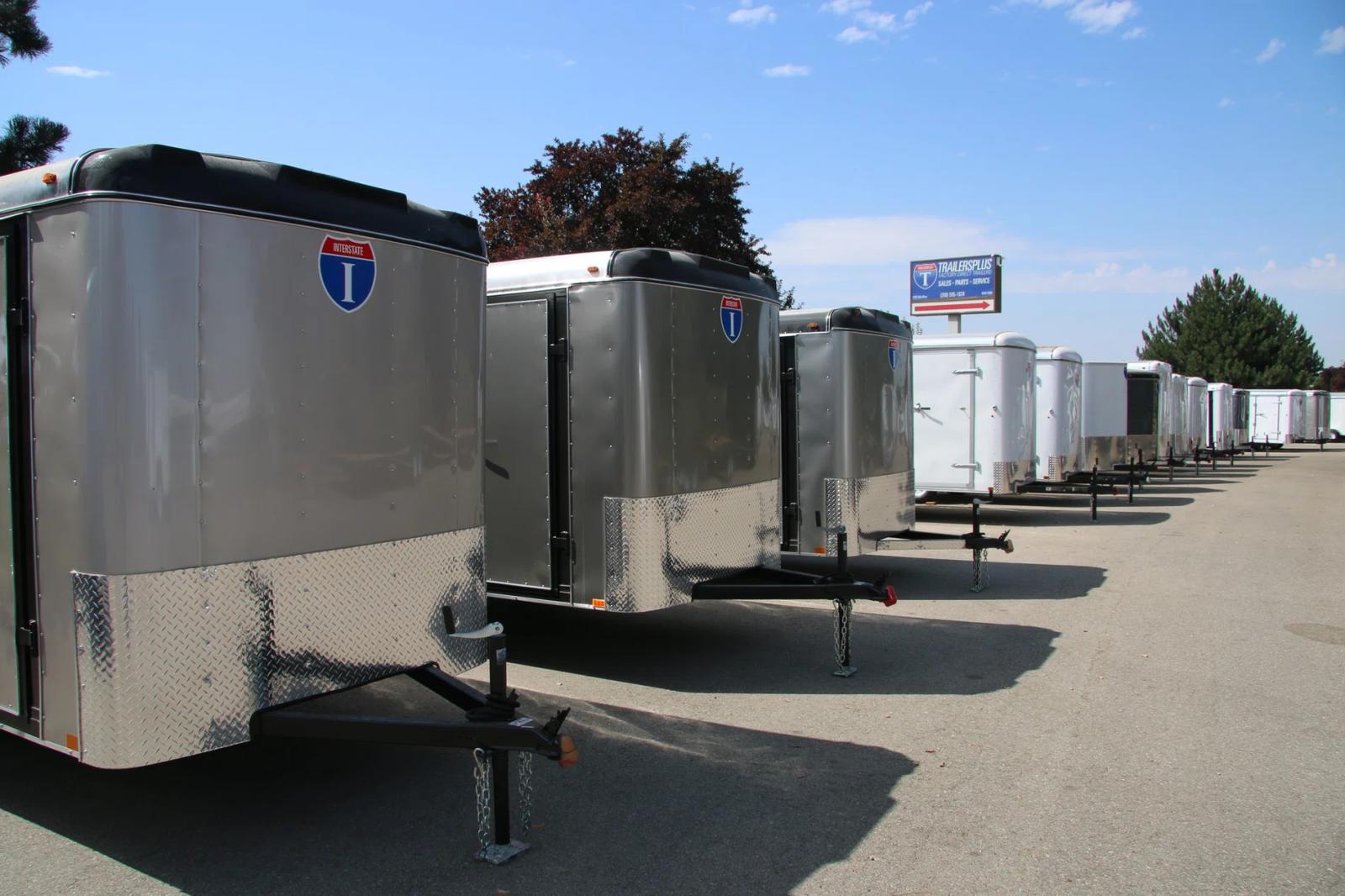
TrailersPlus is the nation's largest independent trailer dealer, with over 90 locations nationwide and more than 11,600 trailers in stock. It is the only retail seller of Interstate, America's number one brand in cargo trailers, and carries Carry-On across the open utility range. Roughly 95 percent of trailer weight is sourced in the USA, and customers rate the company 4.8 across more than 10,000 reviews. Every trailer includes two complimentary 40-point inspections at the 12-month and 24-month marks, and store staff can walk you through anything on this list. More owner guides sit in the trailer owner resources section.
Frequently Asked Questions
What should I check before every tow?
Tire pressure and condition including the spare, all lights, the coupler seated and pinned, and the safety chains crossed under the tongue with enough slack to turn. A walk around the trailer takes about two minutes and catches most of what goes wrong.
How should weight be distributed on a trailer?
Roughly 60 percent of the load ahead of the axle, with heavy items low and over the axle. That keeps enough weight on the tongue to hold the trailer steady. Too little tongue weight is the usual cause of sway.
How do I reverse a trailer?
Slowly, with small steering inputs, in an empty lot until it feels natural. The trailer moves opposite to your steering, and the correction needed is smaller than instinct suggests. Side mirrors do the work, since the rearview is blocked once you hitch up.
What tire pressure should a trailer run?
In most cases the cold pressure on the tire sidewall, unless your owner's manual says otherwise. Check before towing rather than after, since warm tires read high and you will end up underinflated. Underinflation is the usual cause of trailer tire failure.
Do I need a weight distribution hitch?
Not for most light trailers. It becomes worth considering when you tow something heavy relative to the vehicle or when the combination feels unsettled, since it spreads load more evenly between vehicle and trailer and typically improves handling.