- Dump Trailers
- Equipment Trailers
- Trailer Knowledge
Key Takeaways
- For residential and light commercial work, a 6x10 or 6x12 dump trailer with 7K-10K GVWR fits most Rogue Valley crews.
- For heavier hauling, a 7x14 dump at 14K GVWR gives payload headroom.
- Equipment trailers move tractors, skid steers, and orchard gear across Jackson County farms.
- Size by weight, not volume - soil, gravel, and green waste are heavier than they look.
Why Rogue Valley Businesses Rely on Dump and Equipment Trailers
Southern Oregon's economy runs on construction and agriculture - home building across Medford and Central Point, landscaping throughout the Rogue Valley, and the vineyards and orchards that define Jackson County. A dump trailer or equipment trailer is essential gear for moving material and machinery efficiently.
Dump Trailers: Deck Size
A 6-foot dump trailer maneuvers well in residential settings and tighter vineyard rows, ideal for landscaping, cleanouts, and smaller renovation jobs around the Rogue Valley. A 7-foot model carries more volume and weight per trip, better suited to commercial excavation and bulk material runs across Jackson County developments.
Dump Trailers: Size by Weight
The common mistake is thinking about volume instead of weight. A yard of wet topsoil runs about 2,200 lbs, a yard of gravel 2,800-3,000 lbs, and green waste or wet compost from orchard and vineyard work adds up fast. If your loads regularly exceed 10,000 lbs, a 14K-rated tandem-axle is the right call. Always size to your heaviest routine load.
Equipment Trailers for Farm and Job Site
Rogue Valley agriculture depends on moving equipment - tractors between fields, skid steers to job sites, orchard machinery through the seasons. Our equipment trailers feature commercial-grade decks, heavy-duty Dexter axles, and an open design for easy loading of wide or awkward machinery. For vineyard and orchard operations, they handle the steady movement of gear that farm work demands.
Steel Gauge and Durability
Dump and equipment trailers take heavy, repeated abuse. Our dump trailers use heavy-gauge steel floors and walls that resist warping under daily loading of rock, soil, and debris. Built to TrailersPlus specifications, they are made to hold up through years of Southern Oregon work.
Features Worth Having
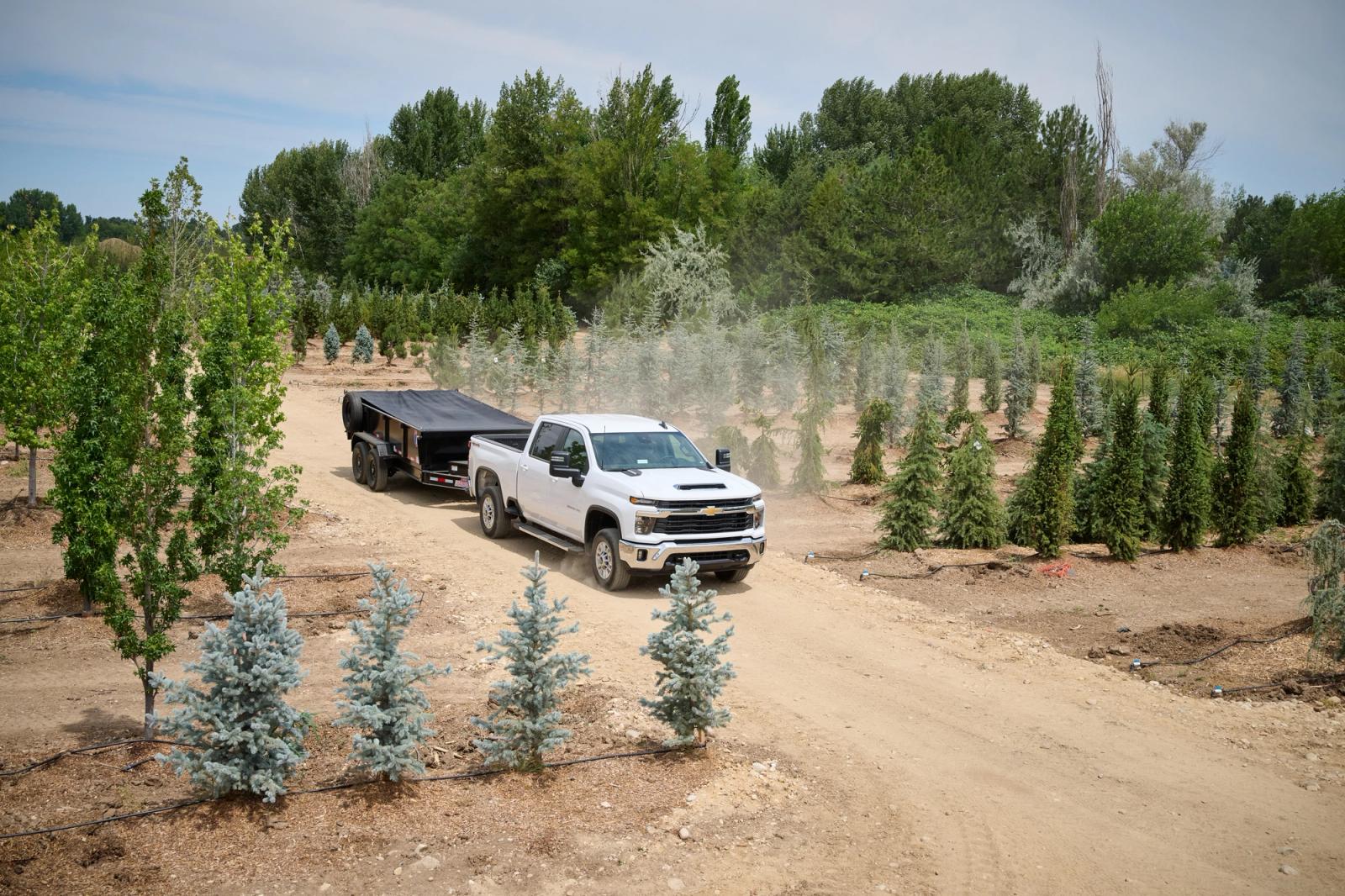
On dump trailers, tarp kits keep loose loads contained on the road, and two-way tailgates give you barn-door control for unloading plus spreader-gate distribution for gravel and soil. On equipment trailers, look for adequate ramp length and tie-down points sized to your machinery.
What Most Rogue Valley Operations Choose
Landscapers and remodelers tend toward a 6x10 or 6x12 dump at 7K-10K GVWR. Commercial excavation and larger farm operations step up to a 7x14 dump at 14K or a full-size equipment trailer. Browse dump trailers and equipment trailers near Medford to see current inventory.
Frequently Asked Questions
What GVWR do I need for hauling soil or gravel?
A yard of gravel or wet soil runs roughly 2,500-3,000 lbs. For 2-3 yard loads, a 10K GVWR is a safe starting point. For larger commercial or agricultural loads, step up to 14K.
What size equipment trailer do I need for a compact tractor?
Most compact tractors fit comfortably on a 16- to 20-foot equipment trailer, but confirm your machine's weight and dimensions against the trailer's rating. Our team can help you match the trailer to your equipment.
Is a dump or equipment trailer better for orchard and vineyard work?
It depends on the task. Dump trailers excel at moving soil, compost, and green waste. Equipment trailers are better for transporting tractors and machinery. Many operations keep one of each.
Do I need a tarp kit on my dump trailer?
It is strongly recommended for hauling loose material on public roads, both to keep the load contained and to keep debris off the highway.
Can I finance a dump or equipment trailer?
Yes. TrailersPlus offers on-site financing with competitive rates and no early payoff penalties, plus a Rent-to-Own option with no hard credit check.