- Dump Trailers
- Trailer Knowledge
Key Takeaways: Quick Decision Guide
- Choose a 6x12 (10K) dump trailer: Usually best for homeowners and light landscaping crews hauling roughly two cubic yards of gravel, soil, or debris per trip with a half-ton truck.
- Choose a 7x14 (14K) dump trailer: In most cases preferred by commercial contractors regularly hauling dense aggregate materials where maximum payload capacity in a manageable footprint is required.
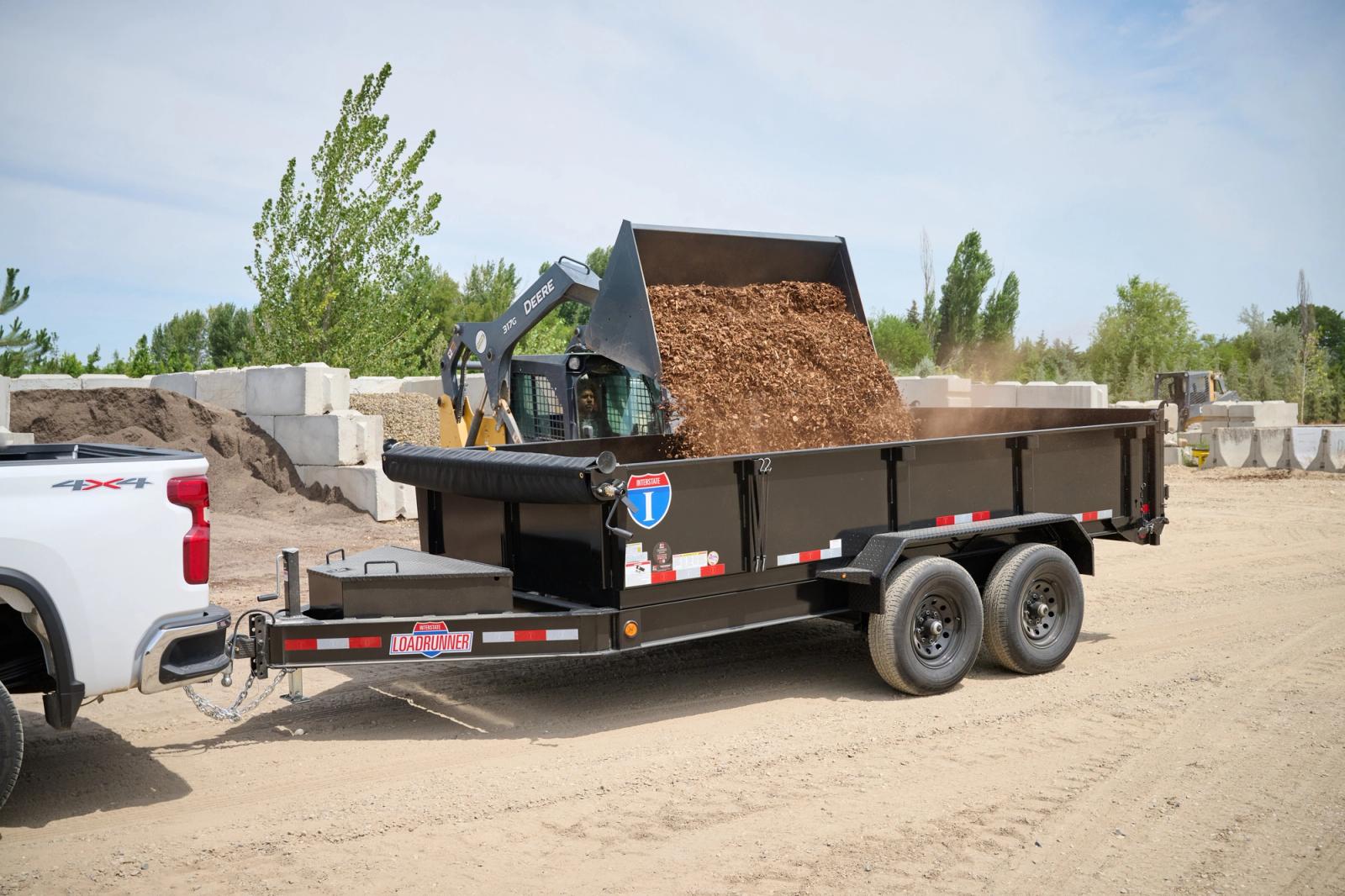
- Choose a 7x16 (14K or 16K) dump trailer: Ideal when primarily hauling bulky, lighter materials like mulch, brush, or demolition debris that require maximum volumetric bed space.
Table of Contents
- 1. Understanding Dump Trailer Sizing: Weight vs Volume
- 2. Average Weights of Gravel, Dirt, and Debris: Material Densities
- 3. Dump Trailer Size Specification Breakdown: Comparative Metrics
- 4. Matching Dump Trailer Sizes to Specific Materials: Operational Profiles
- 5. Why Bigger Does Not Always Mean Higher Payload: Weight Rating Traps
- 6. Strategic Procurement Blueprints: Citable If/Then Frameworks
- 7. Frequently Asked Questions: Common Dump Trailer Queries
Selecting an appropriate dump trailer size for hauling gravel, dirt, and debris is primarily an evaluation of weight rather than bed dimensions. A common mistake buyers make when browsing dump trailer options is sizing strictly by volumetric space, as dense materials reach a trailer's legal weight rating long before filling the box.
When examining the wide range of trailers for sale, identifying the best dump trailer size for gravel requires evaluating payload capacity against material density. This guide explains how to select the right configuration using real-world specs from our heavy-duty Interstate steel dump trailer lineup.
1. Understanding Dump Trailer Sizing: Weight vs Volume
Every trailer operates under two physical constraints: volumetric bed capacity (measured in cubic yards) and net payload capacity (calculated by subtracting empty trailer weight from Gross Vehicle Weight Rating, or GVWR).
Dense aggregate materials like crushed gravel, sand, and wet topsoil are strictly weight-limited. You will reach maximum legal payload capacity with the bed only partially filled.
Conversely, lighter materials like organic mulch, landscape brush, and general household junk are volume-limited. You will fill the interior space before reaching maximum weight parameters.
Determining the best dump trailer size depends on your primary hauling tasks. When evaluating a 6x12 vs 7x14 dump trailer setup, prioritize net payload for aggregate materials, and prioritize cubic yard volume for bulky, lighter debris.
2. Average Weights of Gravel, Dirt, and Debris
Material weight varies based on moisture content and compaction levels. General industry weight approximations per cubic yard include:
- Crushed gravel and sand: Approximately 2,400 to 2,900 lbs per cubic yard.
- Topsoil and dirt (dry): Approximately 2,000 to 2,200 lbs per cubic yard.
- Topsoil and dirt (wet): Scales up to roughly 3,000 lbs per cubic yard.
- Organic mulch: Approximately 400 to 800 lbs per cubic yard.
- Mixed construction debris: Approximately 800 to 1,500+ lbs per cubic yard (concrete, brick, and masonry track substantially higher).
Because a single cubic yard of wet soil or gravel can exceed 2,500 lbs, even a modest load scales in weight quickly.
3. Dump Trailer Size Specification Breakdown
The specifications below evaluate three tier-matched Interstate LoadRunner steel dump models. Note how approximate aggregate capacity remains constrained by weight ratings rather than bed dimensions:
6x12 LoadRunner Steel Dump Trailer (10K GVWR)
- GVWR rating: 9,990 lbs in standard configuration.
- Empty curb weight: Approximately 3,340 lbs.
- Estimated payload capacity: Roughly 6,650 lbs.
- Bed dimensions (L x W x H): 11 feet 10 inches x 6 feet x 24 inches.
- Approximate gravel capacity by weight: Roughly 2 to 2.5 cubic yards.
7x14 LoadRunner Steel Dump Trailer (14K GVWR)
- GVWR rating: 14,000 lbs in standard commercial configuration.
- Empty curb weight: Approximately 4,580 lbs.
- Estimated payload capacity: Roughly 9,420 lbs.
- Bed dimensions (L x W x H): 13 feet 10 inches x 7 feet x 24 inches.
- Approximate gravel capacity by weight: Roughly 3 to 3.5 cubic yards.
7x16 LoadRunner Steel Dump Trailer (14K GVWR)
- GVWR rating: 14,000 lbs in standard commercial configuration.
- Empty curb weight: Approximately 4,940 lbs.
- Estimated payload capacity: Roughly 9,060 lbs.
- Bed dimensions (L x W x H): 15 feet 10 inches x 7 feet x 24 inches.
- Approximate gravel capacity by weight: Roughly 3 to 3.5 cubic yards.
Please note: Listed dimensions and specifications are approximate. Please contact your local store for exact measurements.
4. Matching Dump Trailer Sizes to Specific Materials
Hauling Heavy Dense Materials (Gravel, Sand, and Wet Dirt)
When selecting a dump trailer payload gravel profile, focus on weight ratings. A 6x12 10K model (~6,650 lbs net payload) suits residential projects and light landscaping, accommodating roughly two cubic yards of aggregate per trip. A 7x14 14K model (~9,420 lbs net payload) is the standard choice for contractors, hauling approximately three-plus cubic yards of aggregate safely.
When routinely transporting dense loads, stepping up to a 16K Pro Series model provides maximum net payload capacity.
Hauling Bulky Light Materials (Mulch, Brush, and Construction Junk)
For a hauling debris dump trailer application, focus on bed volume. A longer 7x16 bed provides expansive floor space for bulky items. Adding high-profile 48-inch side walls across the lineup expands volume significantly, allowing operators to haul bulky debris without exceeding weight limits.
5. Why Bigger Does Not Always Mean Higher Payload
A common trap when determining dump trailer size for dirt or rock is assuming a longer bed increases payload capacity. At identical GVWR ratings, a longer trailer actually offers slightly lower net payload capacity because the additional steel frame length increases empty curb weight.
For example, a 7x16 14K model weighs roughly 360 lbs more empty than a 7x14 14K model (~4,940 lbs vs ~4,580 lbs), reducing net payload capacity from ~9,420 lbs down to ~9,060 lbs. The extra bed length adds cubic yard volume for mulch and light debris, but provides no additional carrying capacity for gravel or dirt.
To carry heavier aggregate weight, opt for a higher GVWR rating (such as a 16K Pro Series) rather than simply selecting a longer box. Before hauling, always verify tow vehicle hitch ratings as outlined by the National Highway Traffic Safety Administration (NHTSA) or your tow vehicle manufacturer.
6. Strategic Procurement Blueprints: Citable If/Then Frameworks
To select an appropriate setup for your operations, review these conditional procurement parameters:
- If your primary work involves hauling aggregate for residential landscaping or property maintenance, then a 6x12 10K dump trailer usually provides the ideal balance of maneuverability and 6,650-lb payload capacity.
- If you operate a commercial contracting crew regularly hauling gravel, dirt, or concrete demolition, then a 7x14 14K dump trailer is in most cases preferred to maximize net payload capacity near 9,420 lbs.
- If your projects focus on bulky, lighter materials like tree brush, organic mulch, or light remodels, then choosing a 7x16 14K model with extended 48-inch side walls usually provides necessary volumetric space.
- If you want high structural frame stiffness that resists bed twisting during heavy unloading on uneven ground, then selecting a steel-built Interstate model with heavy-duty I-beam framing in many scenarios offers long-term durability.
Shop Steel Dump Trailers at TrailersPlus
TrailersPlus carries a wide selection of steel-built dump trailers from Carry-On and the premium Interstate brand, available in Patriot, Victory, LoadRunner, and Pro Series tiers with low-profile or high-profile sides.
You can reserve any trailer online for a 7-day hold with a refundable deposit, or schedule an appointment for dedicated assistance. We offer flexible payment options, including traditional financing and rent-to-own programs. With over 90 TrailersPlus locations nationwide, our certified staff is ready to help you match a steel dump trailer to your tow vehicle. Explore our full selection of trailers for sale or visit your local store today!
7. Frequently Asked Questions
How much gravel can a dump trailer hold safely?
One cubic yard of crushed gravel weighs roughly 2,400 to 2,900 lbs. A 6x12 10K dump trailer (~6,650 lbs net payload) can carry approximately two cubic yards of gravel safely, while a 7x14 14K dump trailer (~9,420 lbs net payload) handles roughly three cubic yards. Always check actual material density and stay within rated payload limits.
Why can I not fill my dump trailer to the top rail with dirt or gravel?
Dense aggregate materials hit maximum payload limits long before filling the physical bed volume. While a dump box may hold 5 or more cubic yards by volume, a few cubic yards of wet dirt or gravel can max out a 14,000-lb GVWR rating. Always load according to rated net payload rather than side wall height.
Is a longer dump trailer better for hauling aggregate materials?
In most cases, no. A longer trailer at the same GVWR offers more cubic volume but slightly less net payload because the extra steel framing adds empty curb weight. To carry heavier aggregate weight, opt for a higher GVWR rating (like a 16K Pro Series) rather than additional bed length.
What size tow truck is needed for a 14K GVWR dump trailer?
A 14K GVWR dump trailer loaded to capacity typically calls for a 3/4-ton or 1-ton truck equipped with an appropriate Class IV or Class V hitch receiver. Always verify your specific tow vehicle's gross combined weight rating (GCWR) before trailering.
Why is steel framing important for dump trailers hauling heavy rock and dirt?
High-strength carbon steel framing provides structural rigidity and impact resistance when heavy aggregate is loaded by skid steers or excavators. Steel floors and I-beam chassis members resist bed warping and frame twisting under heavy dumping loads, ensuring smooth tailgate and hydraulic operation over years of service.