installs - service - repairs
If you need service for your trailer, please call (541) 500-0445 or schedule an appointment today.
Schedule Service NowOur Trailer Experts Specialize In:
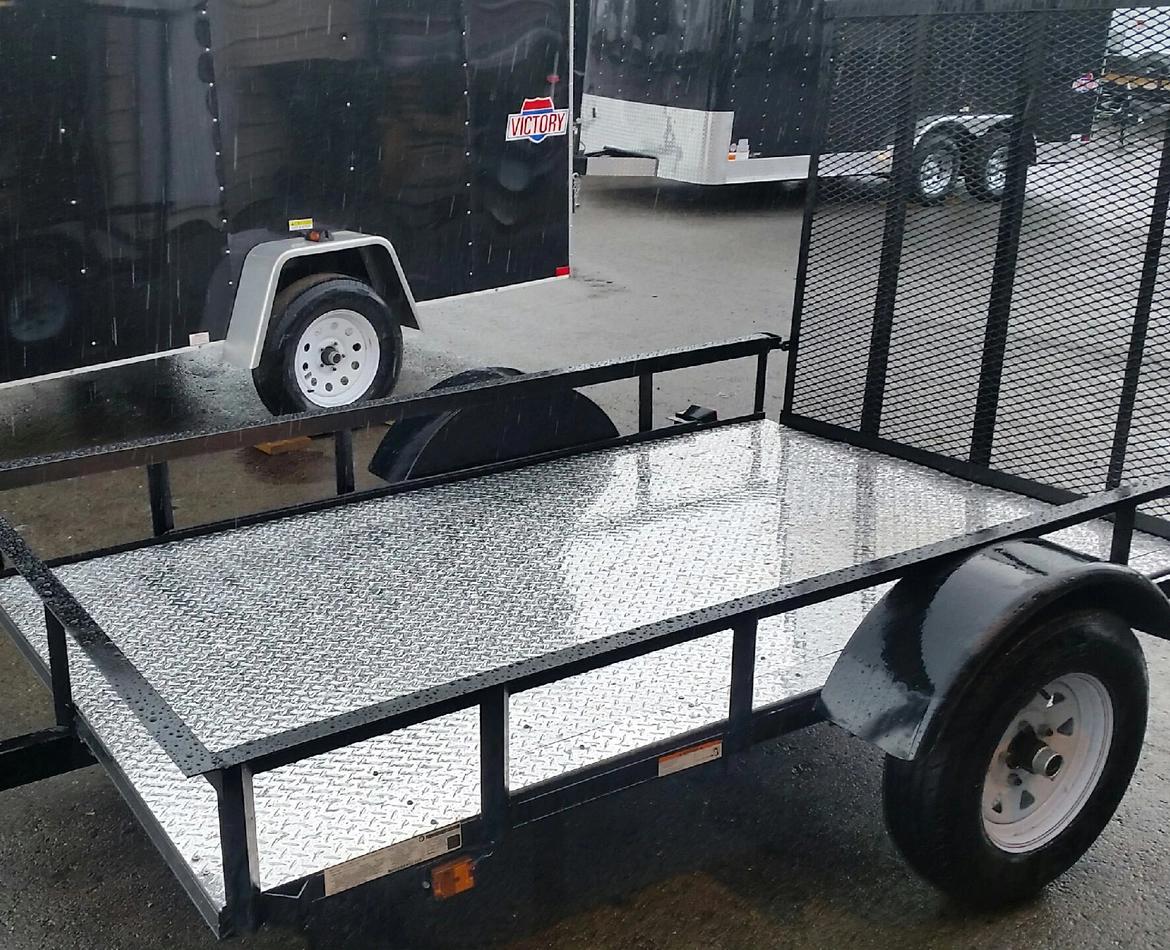
Fender repair/ replacement

Aluminum skin repair

Wheel bearing replacement

Electrical wiring and lighting issues

Tire replacement

Tongue jack repairs

Roof leaks

Cap replacement

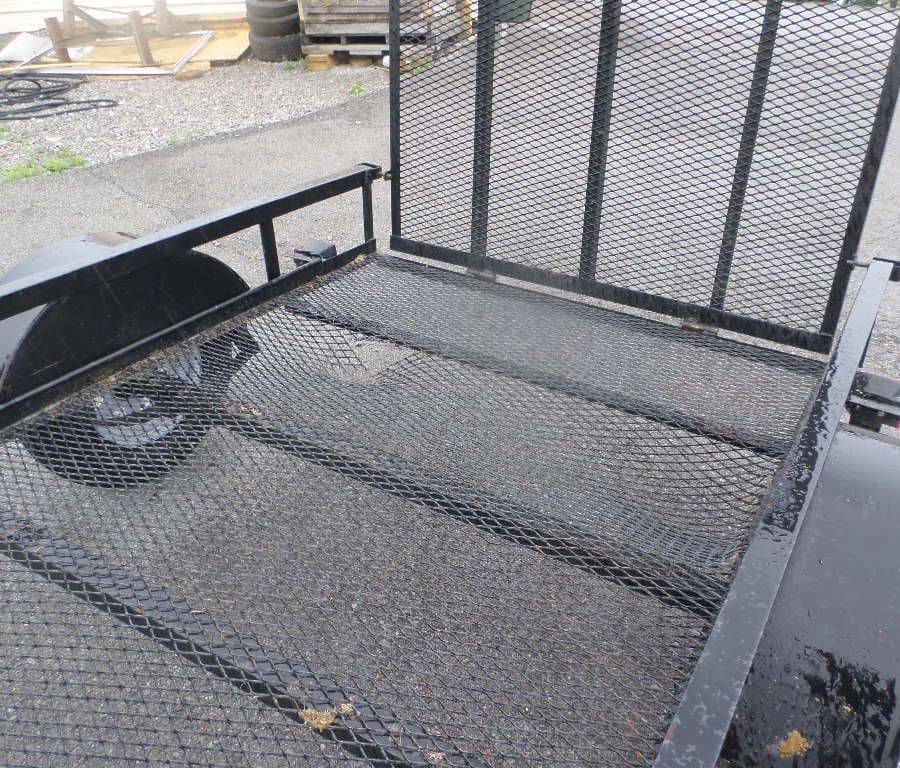
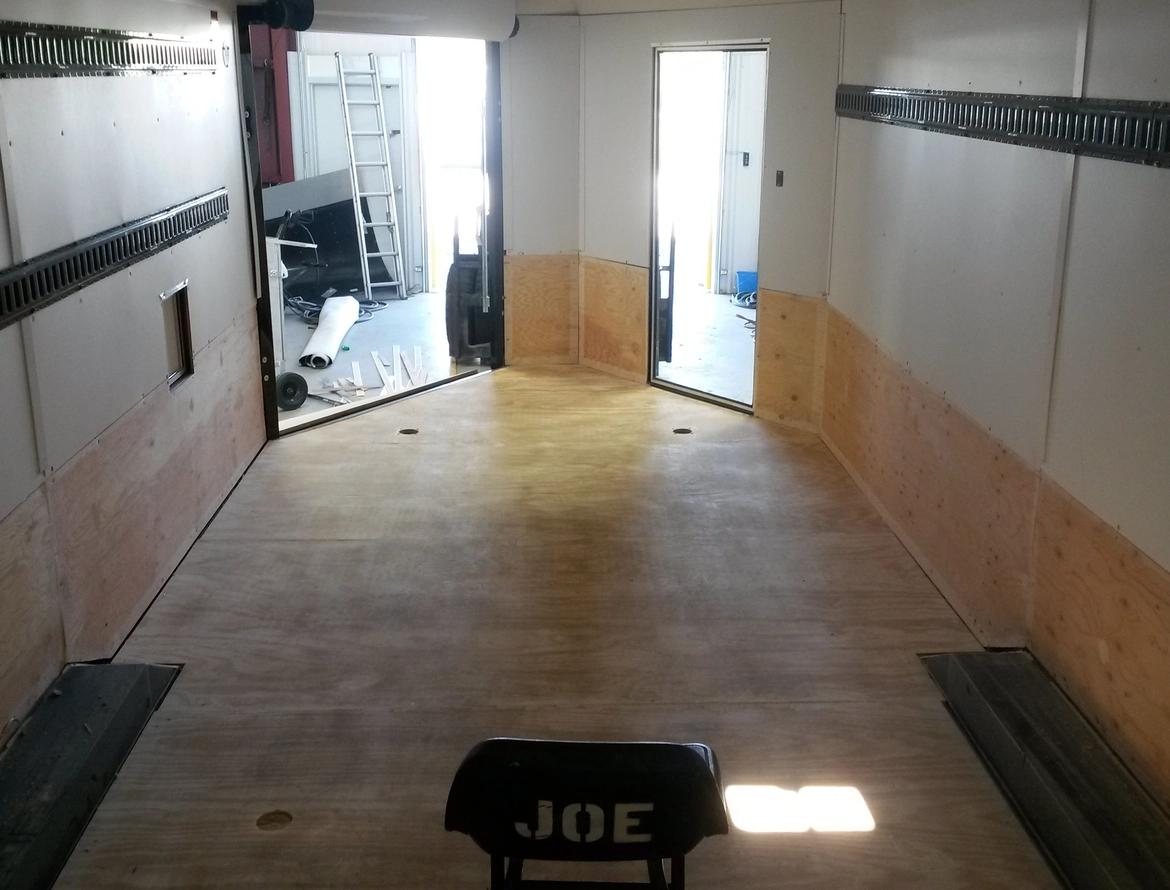
Interior flooring repair

Interior walls repair

Brake adjustments

Leaf spring repair/ replacement

Spring assist repair/ replacement

Stone guard replacement

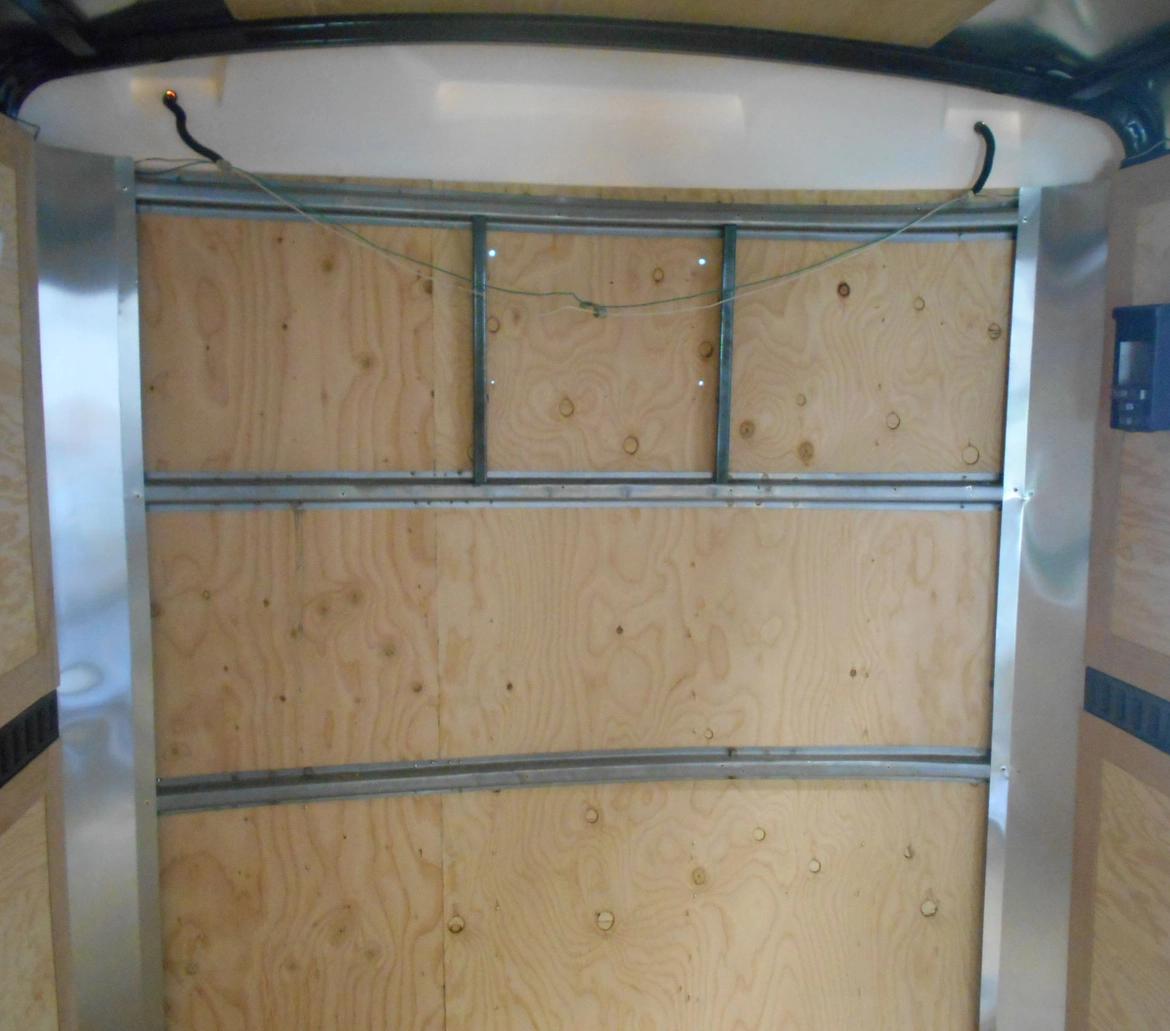
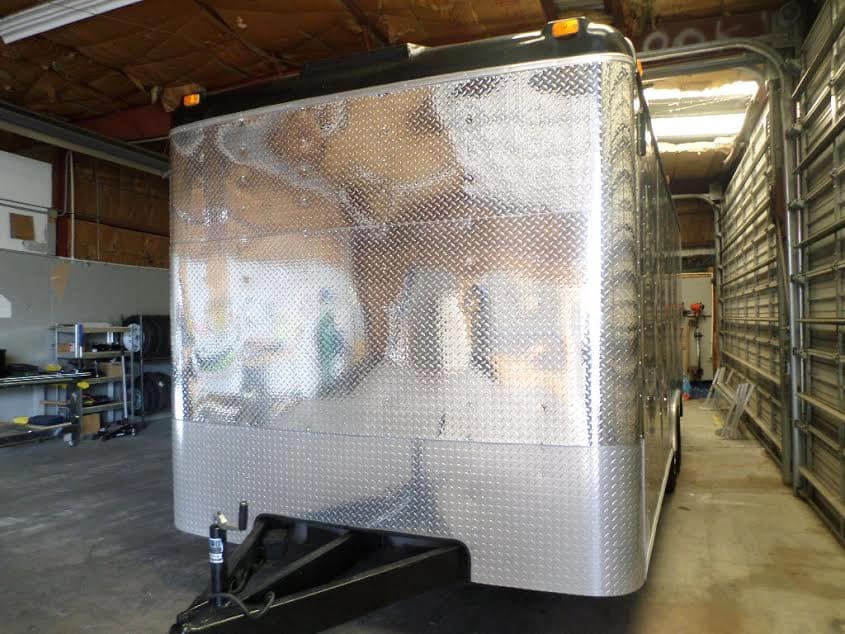
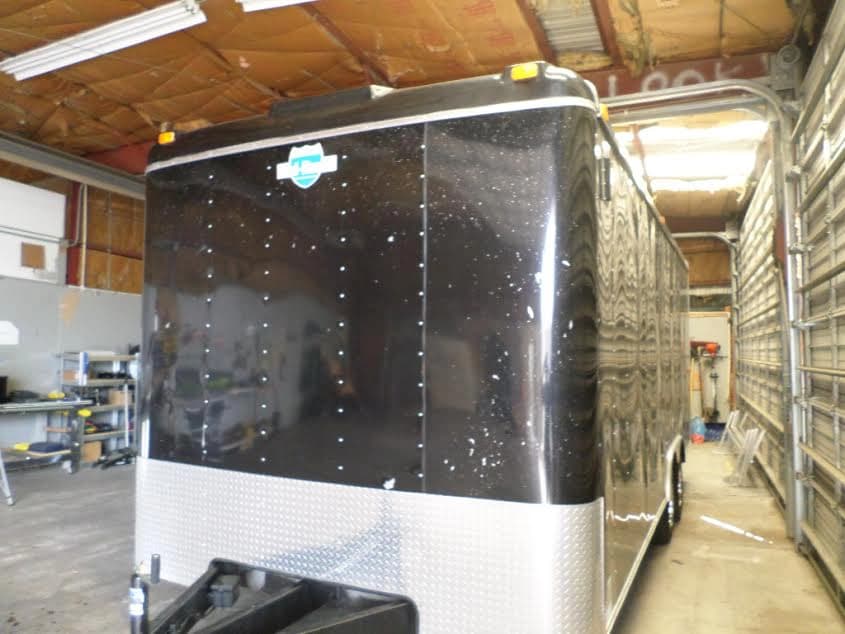
before and after
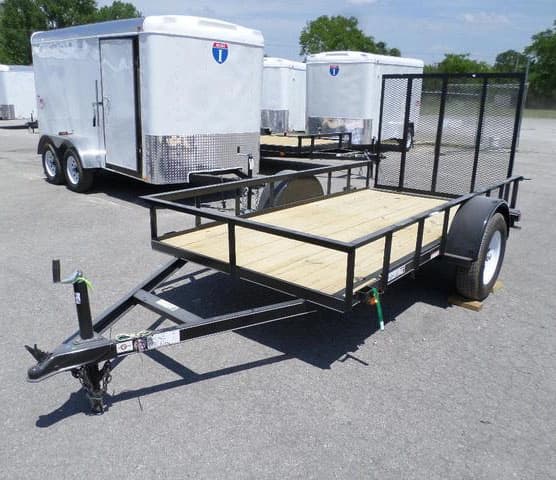
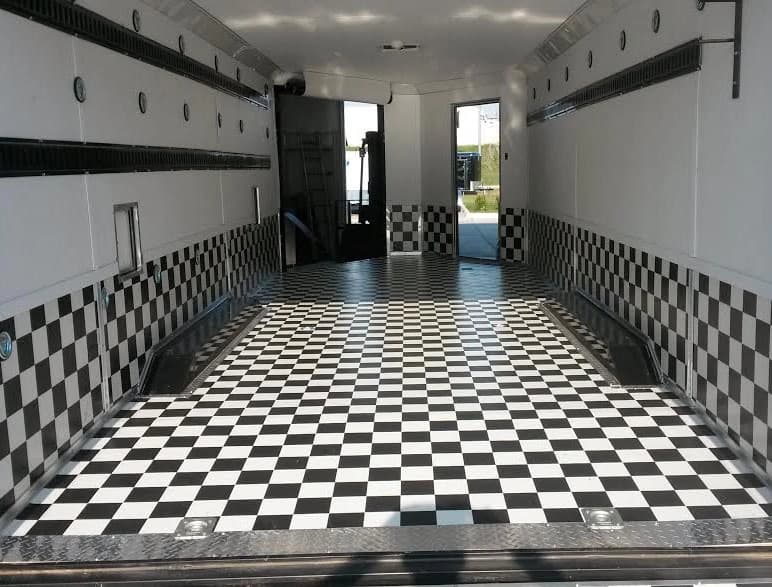
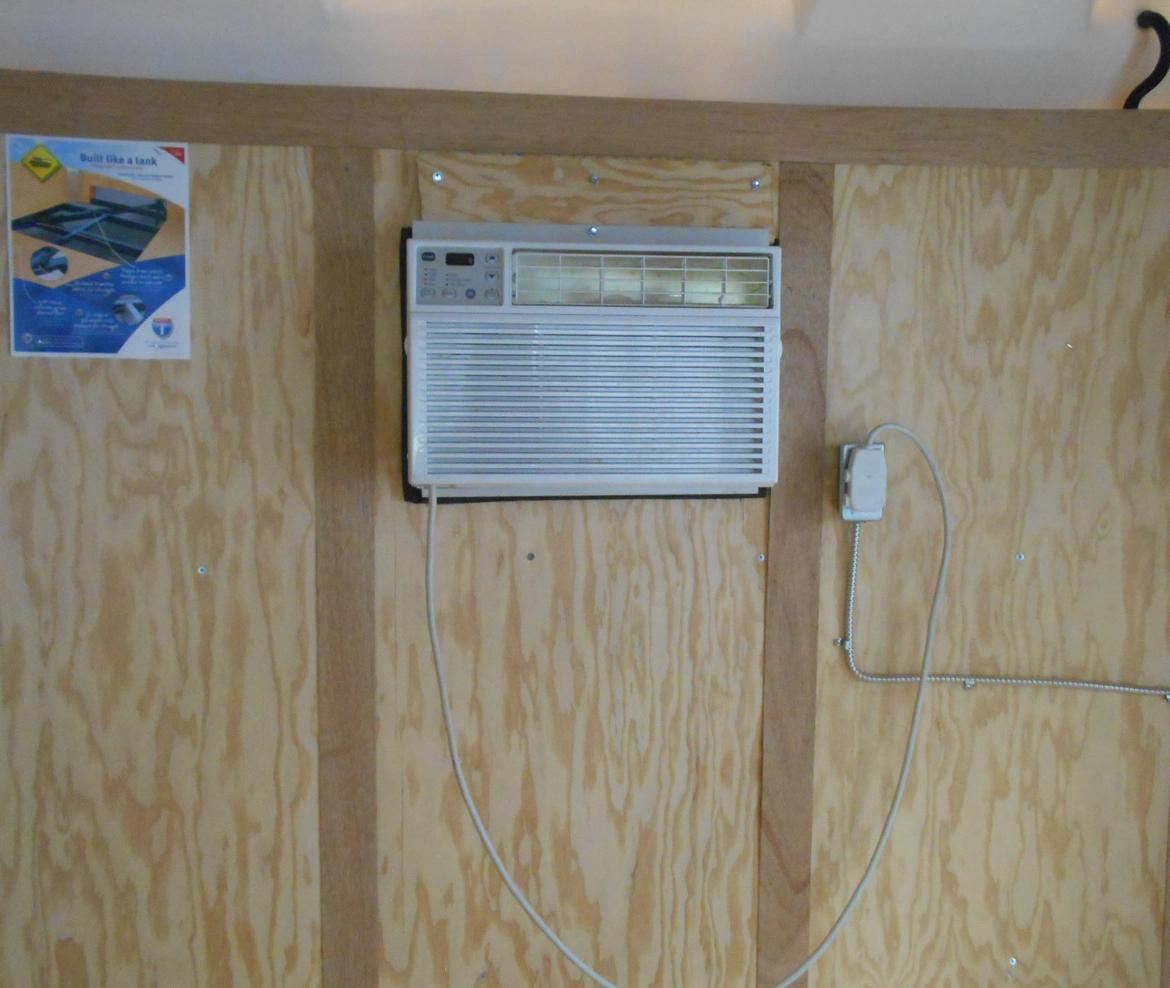
Trailer Service and Repair in Medford
There is a parts counter and a service bay at the Crater Lake Hwy store, so a trailer bought here can be looked after here. We work on what we sell and on trailers we did not sell.
What comes through the door in this valley follows the calendar closely. Few markets have such a clear seasonal shape - the orchards and vineyards run to a schedule, the building season has a beginning and an end, and there is a two-thousand-foot altitude difference between the valley floor and where people take their trailers in January. The sections below follow that year, because the useful question is usually not what is wrong but what is about to be.
Spring: everything comes out at once
The busiest quarter, and the one that catches people. Trailers that sat from November come out and go straight onto full days - landscape crews, orchard work, and the start of the construction season all arriving in the same three weeks.
A trailer that has stood still for months has usually developed something. Bearings that sat in one position, tires that lost pressure slowly, a battery on a dump trailer that quietly discharged, and lighting connections that corroded gently in a wet valley winter. None of those announce themselves. All of them are cheap in February and expensive in April.
If you book one check a year, make it this one. Bearings, brake adjustment on every axle, tire pressures against the sidewall rating rather than a guess, the spare, the connector at the truck, and - on a dump - whether the battery is actually being charged as you drive.
Summer: heat, dust, and long grades
Southern Oregon summers are hot and very dry, and both work on a trailer. Heat and sustained sun age tires from the outside while a full load and hot pavement work on them from within. Underinflation is what turns that combination into a failure, so check pressures cold and check them more often than feels necessary. The spare is invariably the flattest tire on the trailer.
Dust is the season’s other problem and it is specific to this valley. Fine dry dust gets into everything - hub seals, brake assemblies, ramp hinges, and door seals on enclosed trailers. An enclosed trailer that no longer seals properly is worth attending to promptly, because keeping dust off the contents is most of why it was bought.
Then there are the grades. A loaded trailer on the Siskiyou Pass, over the Cascades, or on a long descent anywhere on I-5 puts far more into the braking system than valley-floor work ever does. Electric brakes go out of adjustment gradually, and because the change is slow most owners quietly adapt their driving without noticing. If a trailer pulls to one side under braking, or the controller needs turning up over time, that is a brake adjustment rather than a driving style.
Autumn: haul season
Harvest and the end of the building season land together, and it is the heaviest sustained stretch of the year for working trailers. Bins, fruit, equipment moving between blocks, and contractors trying to close out jobs before the weather turns.
High-cycle components are what fail in autumn - the things operated dozens of times a day rather than the things that carry weight. Ramp gates and their springs, hinges, latches, and cables. Tie-down points that have been loaded from a slightly different angle all season. We rebuild and replace ramp gate springs, re-hang rear ramp doors, sort out barn door latches that have dropped out of alignment, and add anchor points where the load has moved to a different part of the deck than it was originally strapped to.
Decks take the load, the weather, and the machinery. If you are unsure whether a deck has another season in it, have it looked at during your complimentary safety inspection rather than guessing - it is a five-minute assessment for somebody who sees them daily.
Winter: two different climates
This is where the Rogue Valley diverges from most markets. The valley floor has a mild, wet winter. Two hours away there is deep snow, and a good number of trailers here go up there on purpose - sleds to Diamond Lake, gear to Mt. Ashland, machines to properties that are only reachable in certain months.
Cold does two specific things and both catch people out identically every year. It drops tire pressures, so a trailer that was correct in October is underinflated in December. And it reduces the available capacity of a battery that was already marginal - which is precisely how a dump trailer that worked all autumn refuses to lift on the first cold morning. Nine times out of ten the fault is the battery or the charge line rather than the hydraulics.
Wet is the valley’s own winter issue. Standing water and constant damp find every marginal electrical connection, and trailer lighting faults are overwhelmingly connection faults rather than failed lamps - the plug at the truck, a ground that has worked loose, a chafed run where the harness passes the frame. Dielectric grease on the connector pins takes about ninety seconds and prevents most of it. Intermittent faults are worth booking in rather than living with, because intermittent usually means a connection on its way to failing completely.
For trailers that sit through the wet months, the single most useful thing is to not let them sit entirely still. Move it occasionally, keep the tires up, and keep the battery charged.
Your Two Complimentary 40-Point Inspections
Every new trailer includes two complimentary 40-point safety inspections, at 12 months and again at 24 months. They are worth booking rather than forgetting. The point of a scheduled inspection is that it catches the things that were about to become expensive - a bearing starting to complain, a brake drifting out of adjustment, a ground connection going high-resistance - while each is still an adjustment rather than a replacement.
February and early March are the right window in this valley, ahead of the spring rush. Turn up with the trailer as you use it, loaded or not, and mention anything that has felt different. Owners notice changes far better than they credit themselves for, and "it sounds different coming down the pass" is genuinely useful diagnostic information.
Parts at the Medford Counter
Bearings, seals, hubs, brake assemblies and magnets, couplers, jacks, lamps and lenses, harnesses and connectors, ramp springs, latches, D-rings, straps, and tires. If it is not on the shelf it is usually a short order, and we would rather find the correct part than the nearly correct one.
Bringing the trailer, or a photograph plus the model details, saves a return trip. Components vary between models more than people expect, and axle and brake parts in particular are unforgiving of approximation.
Booking Service in the Rogue Valley
Call ahead where you can, especially February through April, and describe what the trailer is doing rather than what you think is wrong - the symptom is more useful to a technician than the diagnosis. Straightforward work can often be handled while you wait.
We are one of 92 TrailersPlus locations, rated 4.8 from more than 10,000 reviews across 25+ years, with over 11,900 trailers across the network. Around 95% of the weight of the trailers we sell is sourced in the USA. The store is at 6700 Crater Lake Hwy in Central Point, just off I-5, and it serves the whole valley from Grants Pass to Ashland.


Join The TrailersPlus Community
Stay Up to Date With the Latest and Greatest





Loading...