installs - service - repairs
If you need service for your trailer, please call (417) 812-7330 or schedule an appointment today.
Schedule Service NowOur Trailer Experts Specialize In:
Fender repair/ replacement

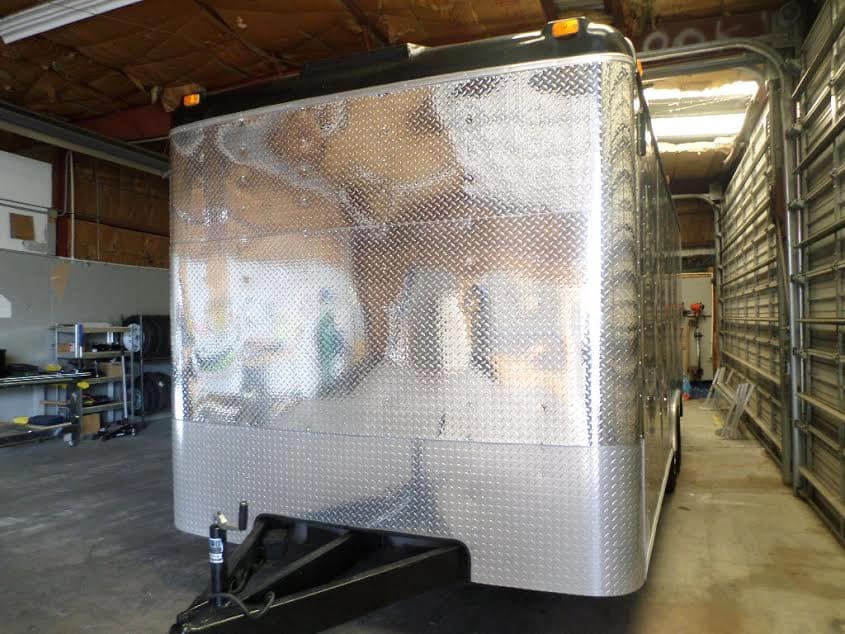
Aluminum skin repair

Wheel bearing replacement

Electrical wiring and lighting issues

Tire replacement

Tongue jack repairs

Roof leaks

Cap replacement

Interior flooring repair

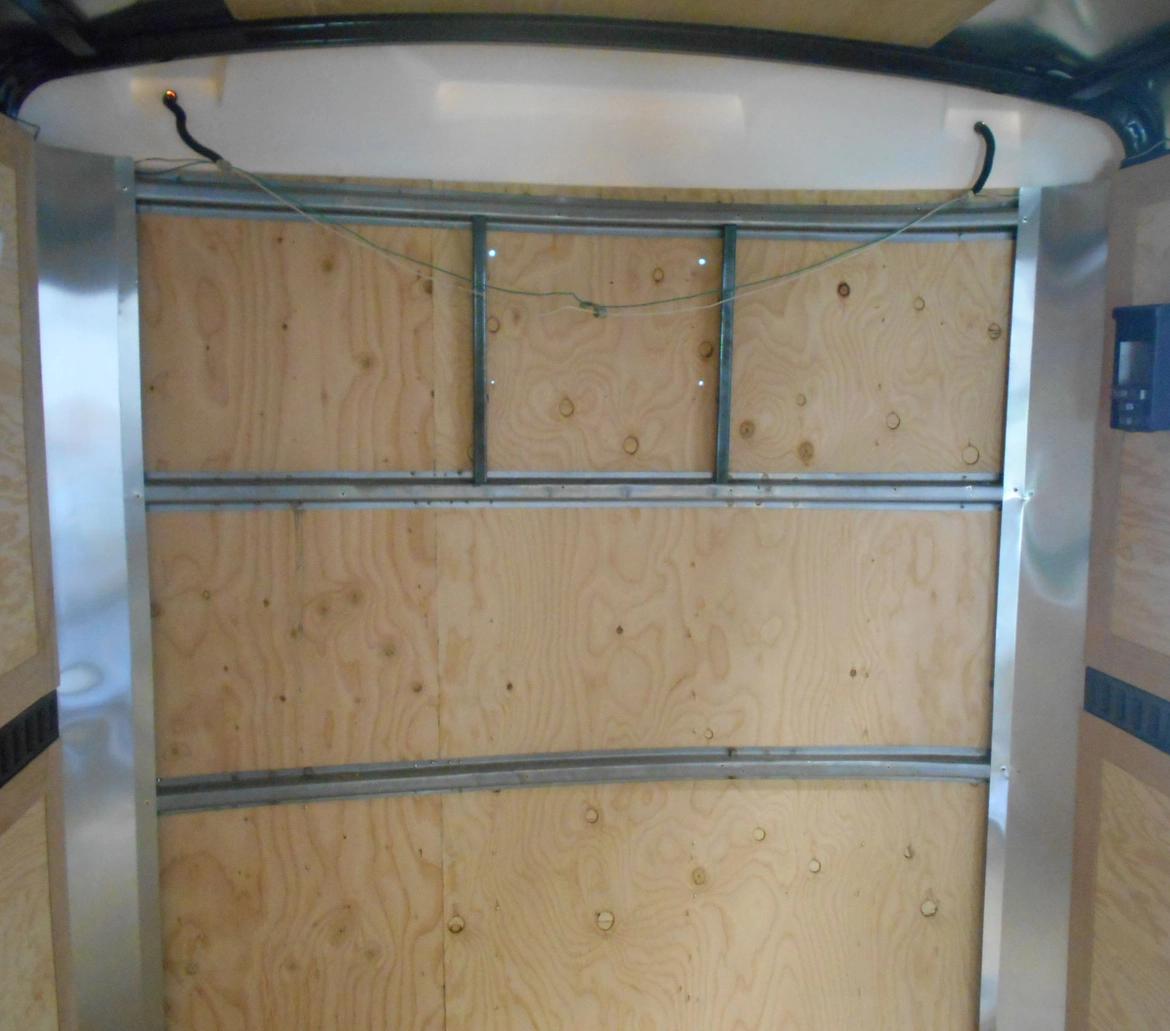
Interior walls repair

Brake adjustments

Leaf spring repair/ replacement

Spring assist repair/ replacement

Stone guard replacement

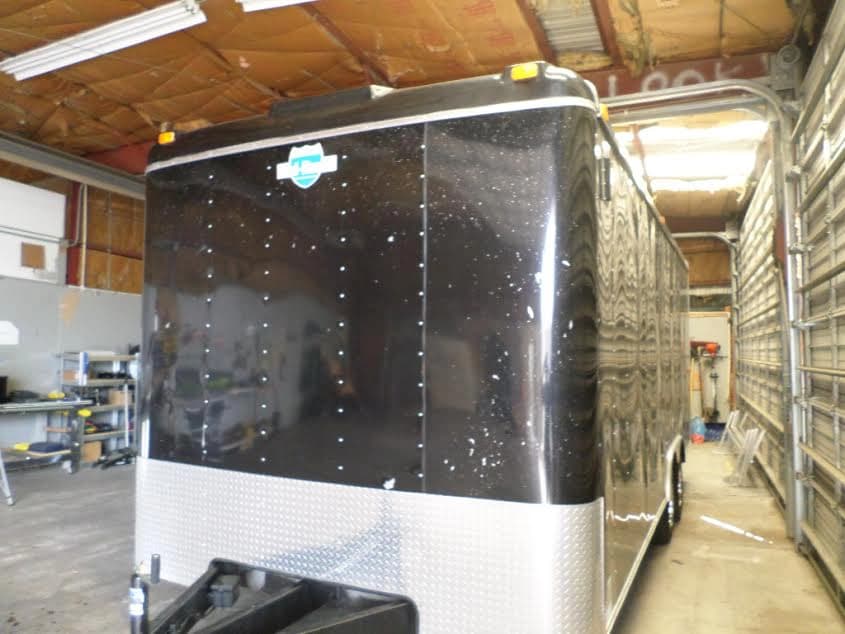
before and after
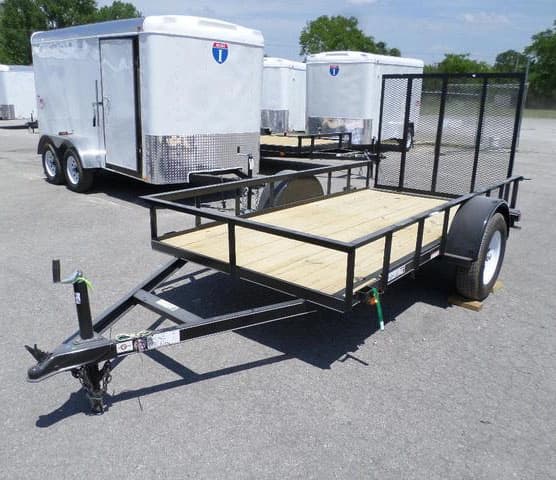
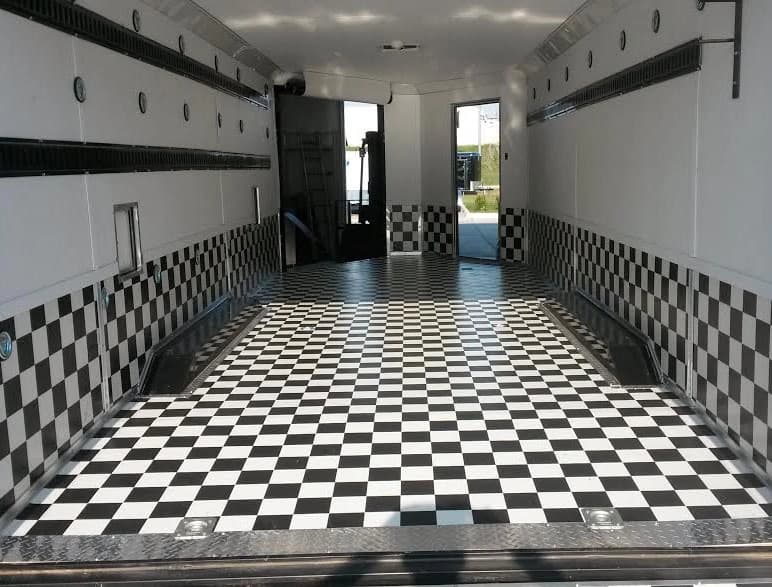
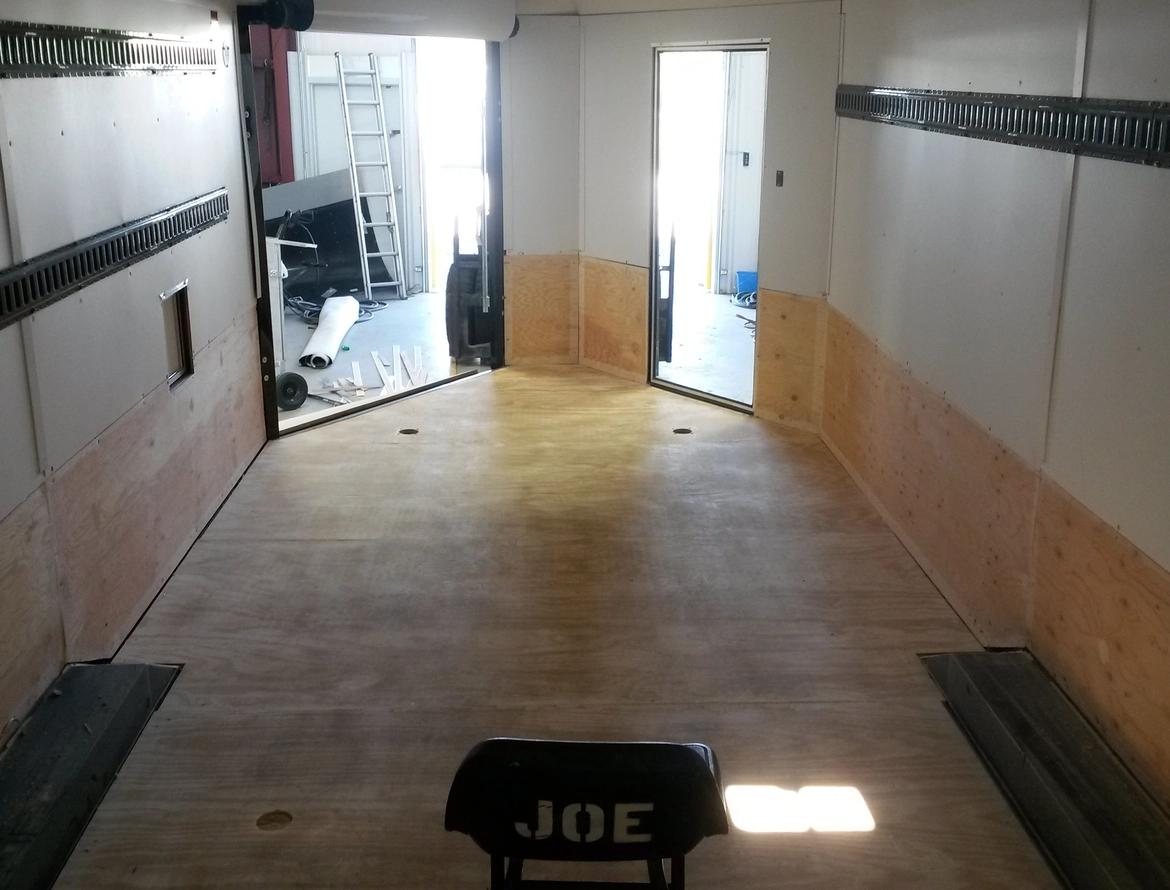
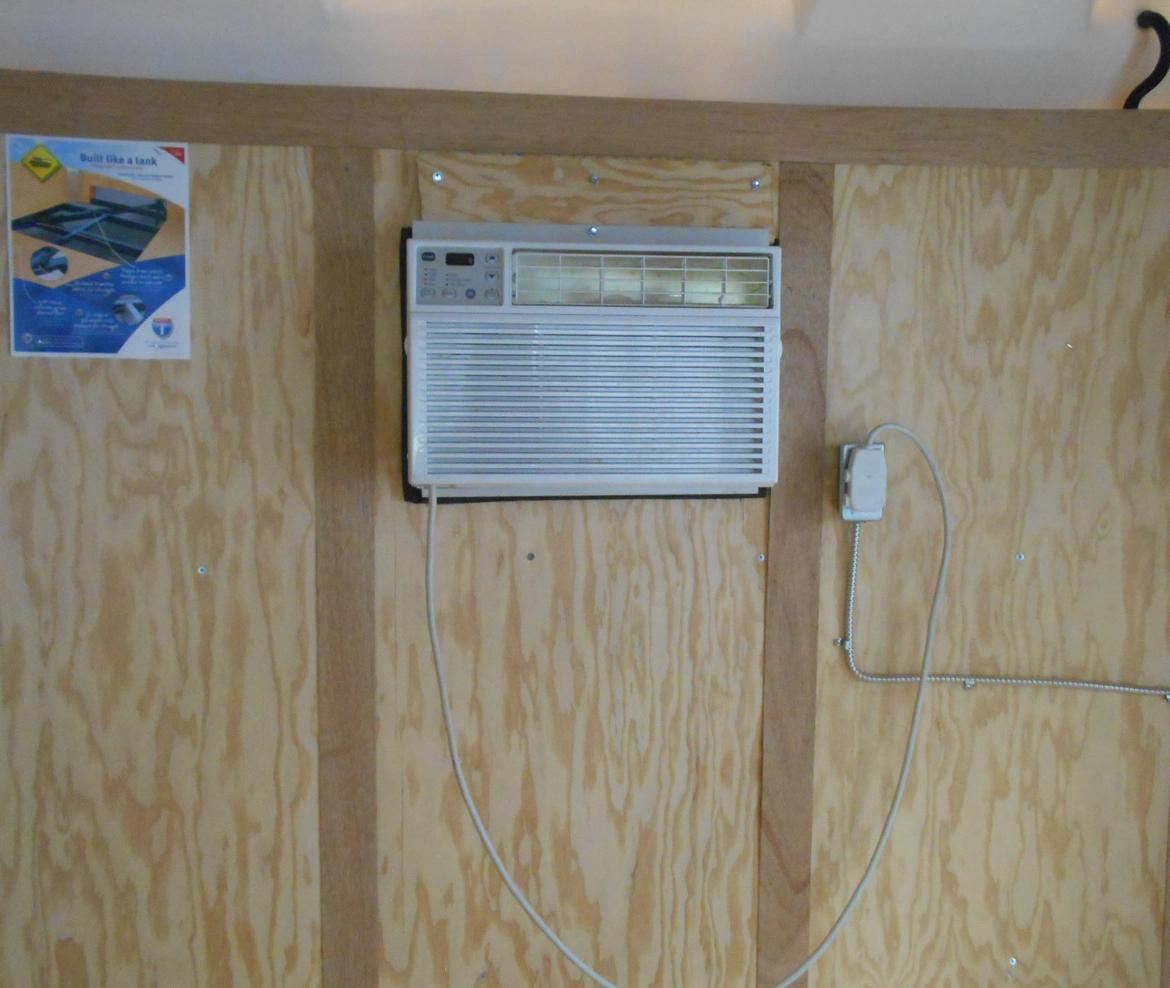
Trailer Service and Repair in Springfield
There is a parts counter and a service bay here, and we work on trailers we did not sell as readily as ones we did.
What a trailer needs depends less on what it is than on who owns it. A trailer that works five days a week fails differently from one that comes out six weekends a year. These sections are organized by owner rather than by component, because that is usually the faster route to the right answer.
The weekend owner
Your problem is standing still, not mileage. A trailer that sits develops flat-spotted tires, bearings that held one position for months, a slowly discharging dump battery, and connector pins that have gone high-resistance while nobody was looking.
The whole fix is fifteen minutes twice a year: pressures up, connector cleaned and greased, and the trailer moved so the bearings turn. Before any long haul, have the bearings looked at rather than assumed.
The single operator
One trailer, used most days, and no spare if it goes down. That makes unplanned failure expensive in a way it is not for anyone else, so the economics favor scheduled checks heavily.
The things that strand a single operator are almost always small: a light circuit, a flat with no usable spare, a jack that has seized. All cheap. All worth sorting before they pick their own moment.
The crew
Multiple people loading the same trailer many times a day. What fails here is not the frame - it is the high-cycle hardware. Ramp gate springs, hinges, latches, cables, and the tie-down points that have taken load from a slightly different angle all season.
We rebuild and replace gate springs, re-hang ramp doors, sort out latches that have dropped out of alignment, and add anchor points where the load has migrated to a different part of the deck than it was originally strapped to.
The farm
Heavy, seasonal, and often loaded to the top of the rating. Brakes and axles are the priority, and on a tandem both axles get inspected - a trailer braking on one will discover that fact under a full load of hay on a downgrade.
Chert and limestone are heavier per cubic yard than most people credit, which means dump bodies and equipment decks here are frequently working nearer their limits than their owners think. If a trailer feels different loaded than it did last year, that is worth investigating rather than adapting to.
Everyone: two complimentary 40-point inspections
Included with every new trailer, at 12 and 24 months. They exist to catch the things that were going to become expensive - a bearing starting to complain, a brake drifting, a ground connection going high-resistance - while each is still an adjustment. Bring the trailer loaded or empty, however you use it, and say what has felt different.
Parts counter
Bearings, seals, hubs, brake assemblies and magnets, couplers, jacks, lamps, harnesses and connectors, ramp springs, latches, D-rings, straps, and tires. If it is not on the shelf it is usually a short order. Bring the trailer or its model details.
Booking
Call ahead in spring especially. Describe the symptom rather than your diagnosis - what the trailer is doing is more useful to a technician than what you think is causing it.
One of 92 TrailersPlus locations, over 11,900 trailers network-wide, 4.8 from more than 10,000 reviews, 25+ years, and roughly 95% of each trailer’s weight sourced in the USA.
Every Trailer Type, and What It Needs
The enclosed box. Beyond brakes and bearings, the things that fail are structural: floor sections, wall panels, roof seams and door seals. All repairable, and all cheaper caught early than after a winter of water getting in.
The dump body. Hydraulics, cylinders and pump, plus the battery and charge line behind most no-lift calls. The 10-gauge floor and walls get inspected too - chert and limestone are unkind to both. High-profile sides can be added if the loads have outgrown the box.
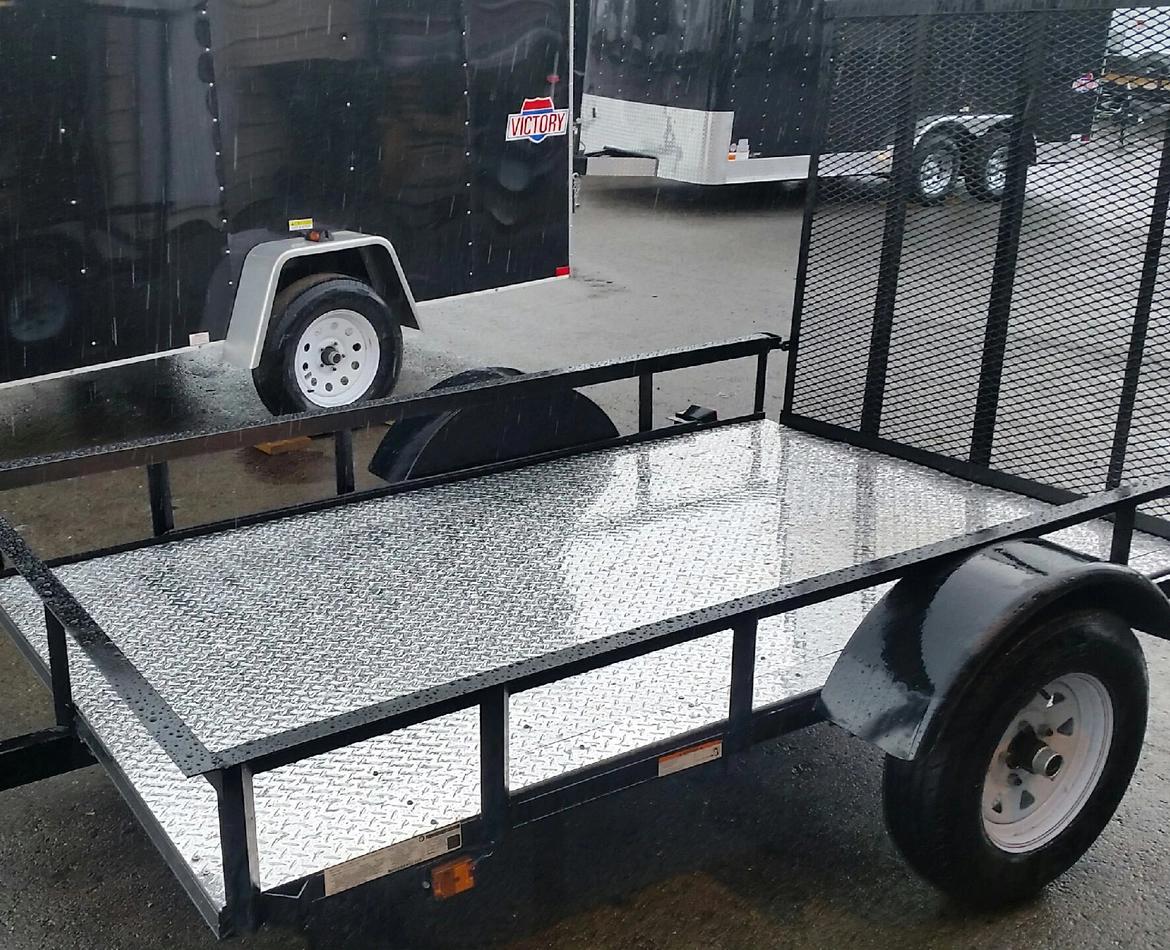
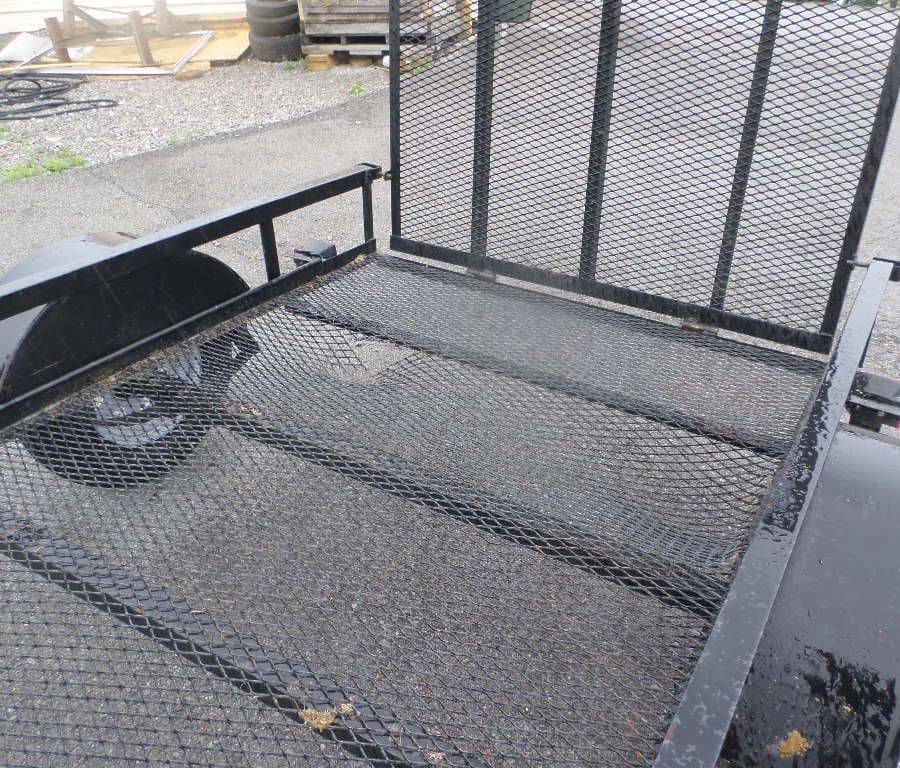
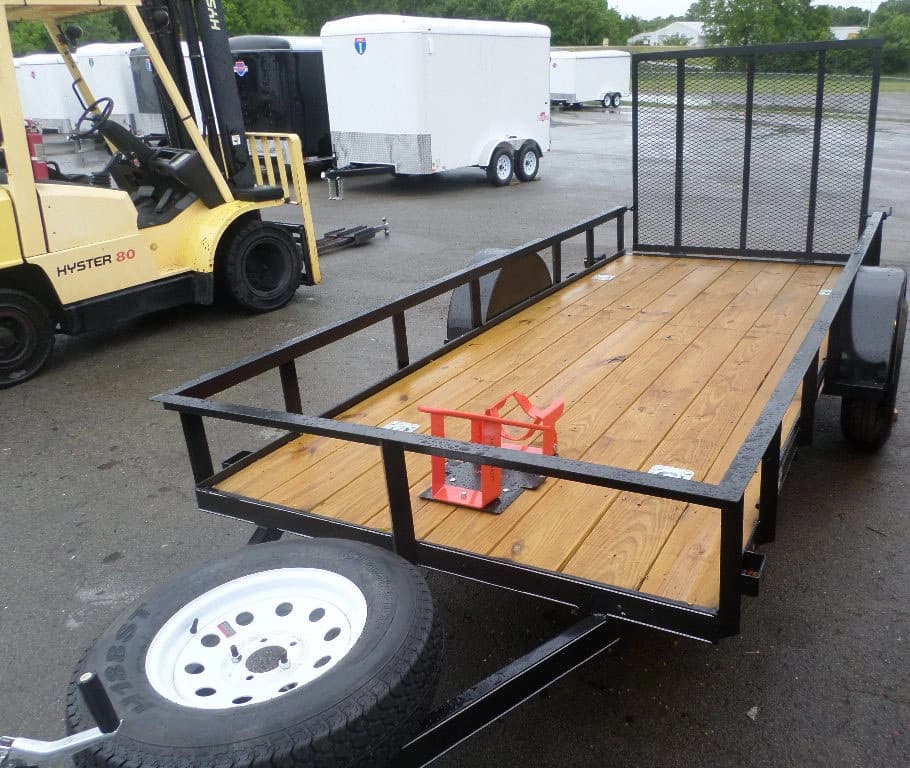
The open deck. Deck boards, axles single or tandem, and the hardware that gets operated dozens of times a day: gate springs, hinges, latches, cables and anchor points. We add tie-down points where the load has migrated to a different part of the deck than it was originally strapped to.
The tilt deck. Cylinder service on schedule, plus deck condition.
Haulers and powersports rigs. Axles, radial tires, ramps, and the commercial doors on enclosed models.
Hitches, Wiring and Controllers
Hitch fitting, tow wiring, and controller setup against the trailer you actually own. Bring truck and trailer together and we will get the pairing right rather than leaving you to find out on a loaded downgrade.
What Each Type of Owner Should Budget For
The weekend owner. Very little, and almost all of it preventive. Pressures and a connector clean twice a year, bearings looked at before any long haul, and a dump battery checked going into and coming out of winter. The failure mode here is neglect over time rather than wear, so the cheapest year is the one where you do the fifteen minutes.
The single operator. Budget for scheduled work, because unplanned failure costs you a day of income as well as the repair. Bearings and brakes on a calendar rather than on symptoms. Keep a spare that actually holds air and a working jack - the two cheapest things that strand people.
The crew. Budget for hardware, not for structure. Gate springs, hinges, latches, cables and tie-down points get cycled dozens of times daily by people in a hurry, and they wear out on a predictable schedule. Order them heavy and replace them as a set rather than one at a time.
The farm. Budget for brakes and axles. Loads here run near the rating and often over rough ground, which shortens shoe and magnet life and is hard on suspension. Both axles get inspected on a tandem, every time.
Parts and Accessories
The counter carries running gear - bearings, races, seals, hubs, brake assemblies, magnets, drums and springs - along with electrical parts including harnesses, connectors, LED lamps and lenses, ground straps, breakaway switches and brake controllers.
On the hardware side: ramp springs, gate latches, hinges, cables, D-rings, stake pockets, jacks and couplers. Accessories run to tongue boxes, spare tire carriers, security locks, dump tarp kits, E-track and tie-down systems, high sides, mesh siding and 24-inch side extensions.
We stock parts for both Interstate and Carry-On builds. If it is not on the shelf it is usually a short order, and we will fit anything you buy here rather than handing you a box and wishing you luck.


Join The TrailersPlus Community
Stay Up to Date With the Latest and Greatest





Loading...