installs - service - repairs
If you need service for your trailer, please call (209) 200-8404 or schedule an appointment today.
Schedule Service NowOur Trailer Experts Specialize In:
Fender repair/ replacement

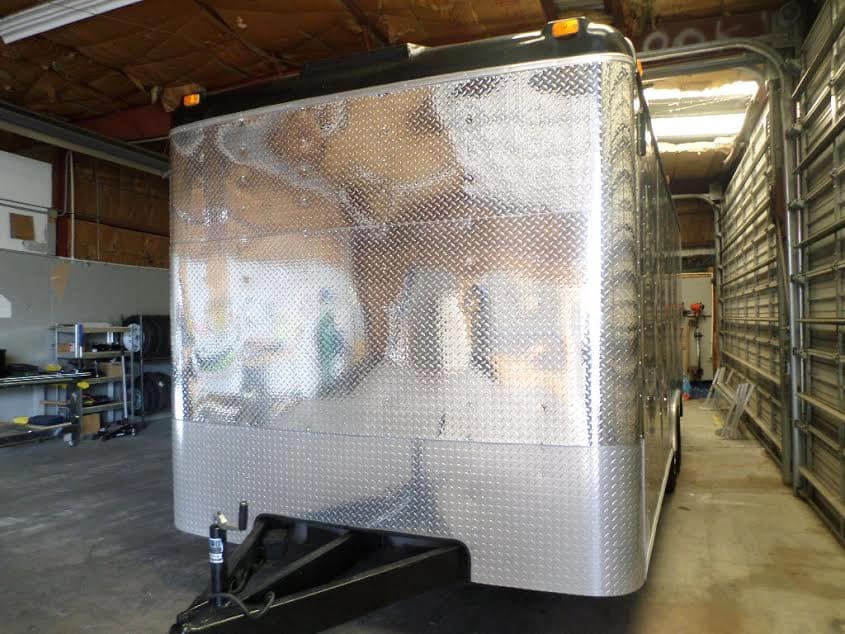
Aluminum skin repair

Wheel bearing replacement

Electrical wiring and lighting issues

Tire replacement

Tongue jack repairs

Roof leaks

Cap replacement

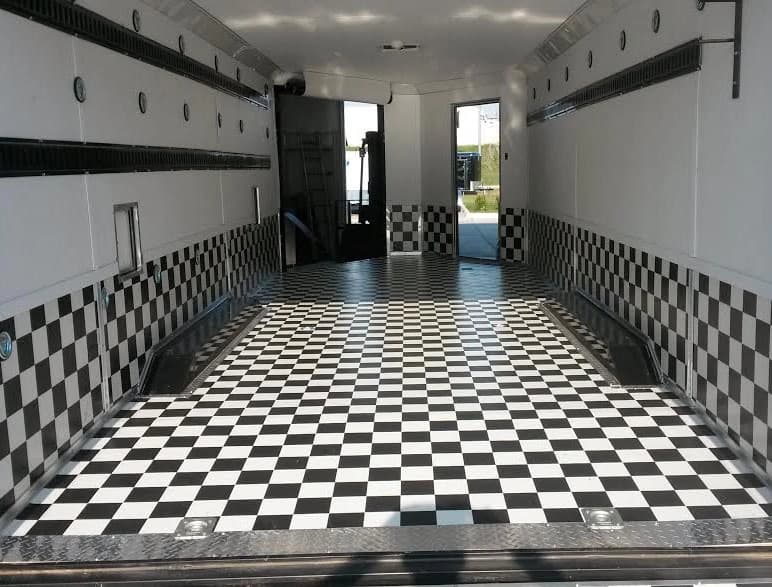
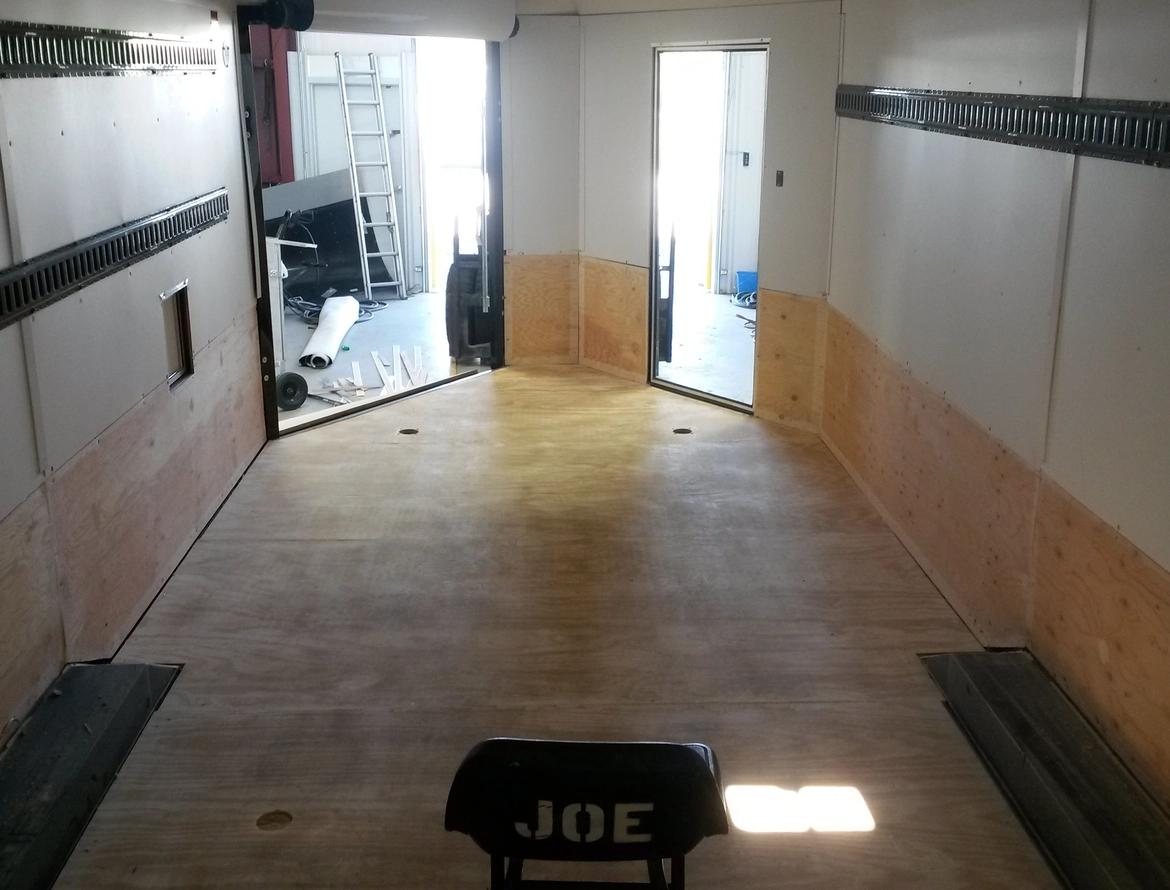
Interior flooring repair

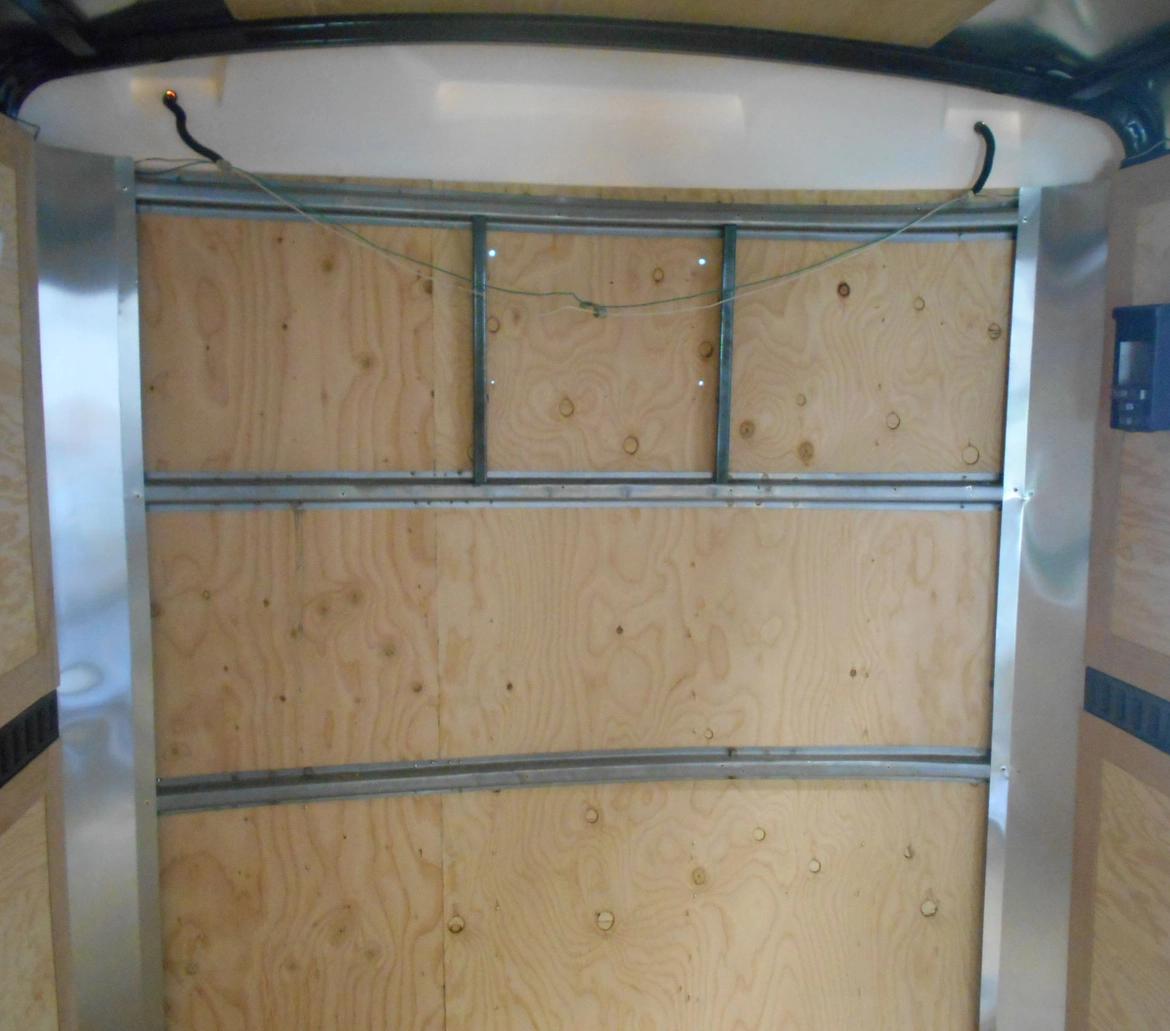
Interior walls repair

Brake adjustments

Leaf spring repair/ replacement

Spring assist repair/ replacement

Stone guard replacement

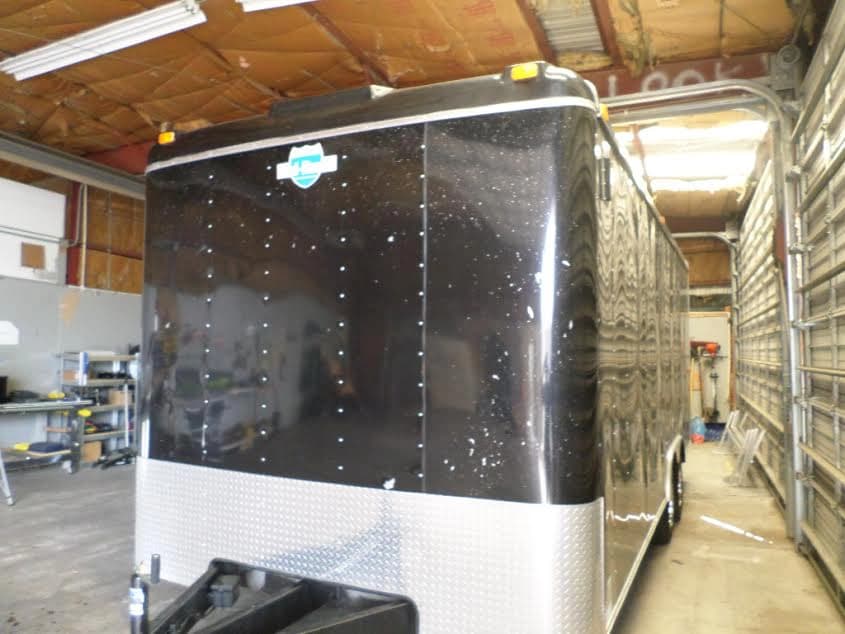
before and after
Trailer Service and Repair in Lodi
Service bay and parts counter on South Beckman Road, for trailers we sold and trailers we did not.
What follows is the order a technician actually walks a trailer in: front to back, coupler to tail lights. If you want to check your own before a job, walk it the same way and you will not miss anything.
1. The coupler and safety chains
Does the latch close positively and lock? Is there movement where the coupler meets the tongue that should not be there? Are the chains the originals rather than something improvised, and long enough to cross underneath without dragging?
This takes fifteen seconds and it is the connection everything else depends on.
2. The tongue and jack
Look along the tongue where it joins the frame, and at every weld you can see. Cracking or movement here is not a wear item - it means something unusual has happened, and it wants looking at rather than working around.
Wind the jack fully up and fully down. Seized jacks are a small repair and a large inconvenience.
3. Axles, brakes and suspension
The half of the trailer nobody looks at, and where most of the cost lives. On a tandem, both axles get inspected, because a trailer braking on one will find that out on a downgrade rather than in a car park.
Electric brakes drift out of adjustment slowly enough that owners compensate at the controller without noticing. If your gain setting has crept up over the past year, that is an adjustment due, not a preference.
We adjust, replace shoes and magnets, service drums, and set the controller against your actual trailer rather than a default number.
4. Wheels, bearings and tires
Bearings get repacked on schedule or they fail suddenly and take the hub with them. Listen for a growl that changes with road speed; feel for one hub warmer than its neighbours after a run.
Check tire pressure cold against the sidewall rating, not by eye, and check the spare - it is reliably the flattest tire on any trailer. Central Valley sun ages sidewalls faster than the tread wears, so judge trailer tires by age and condition rather than by remaining tread.
5. The body, deck or dump box
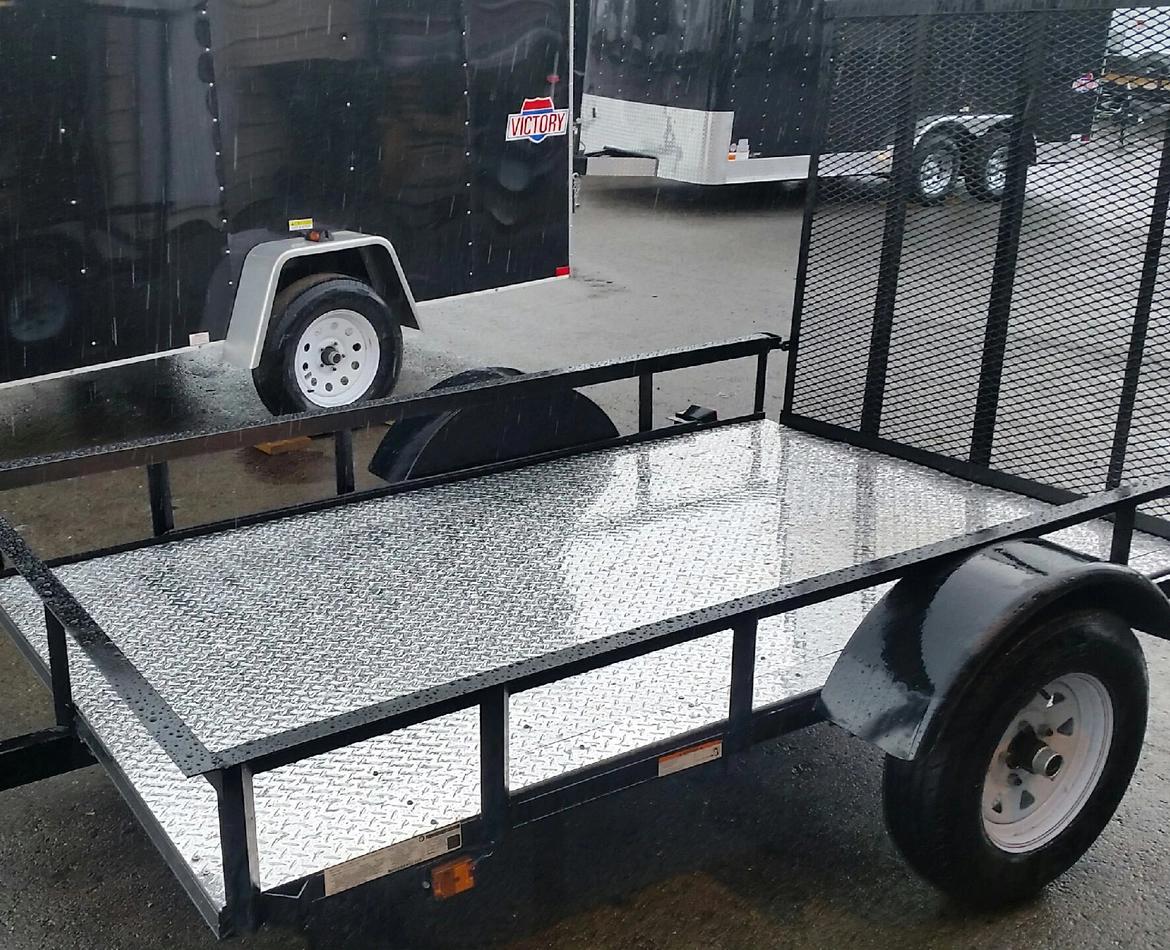
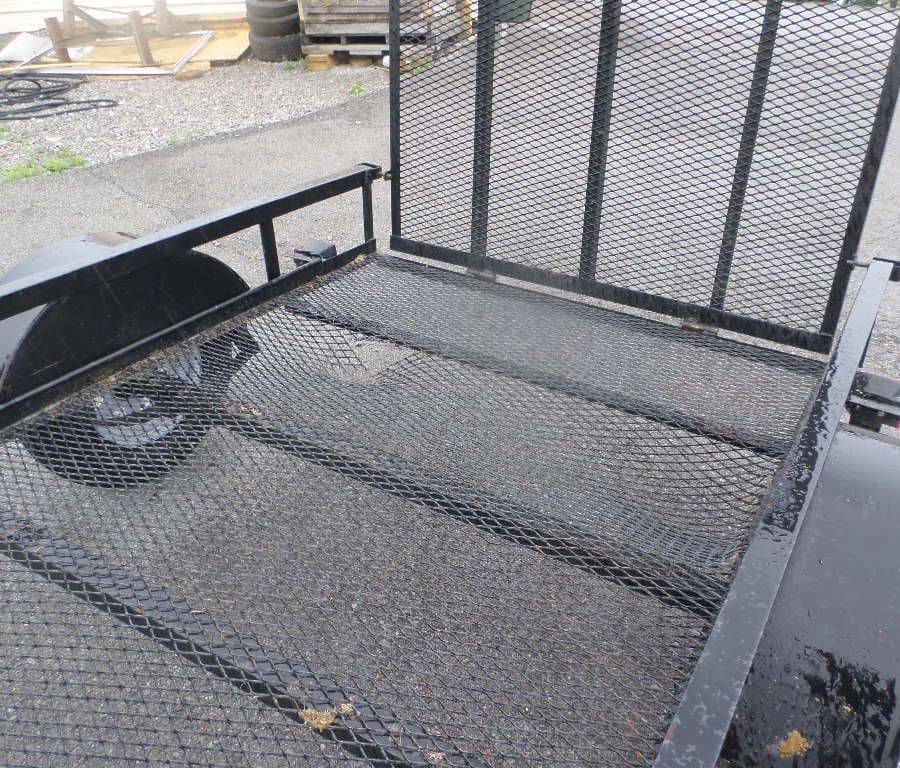
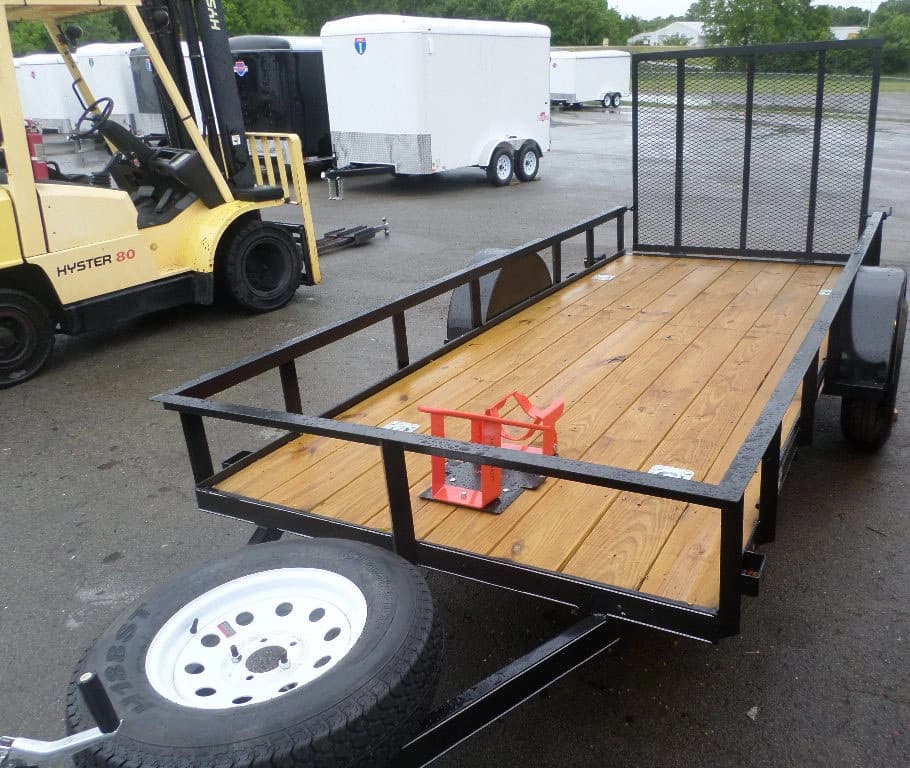
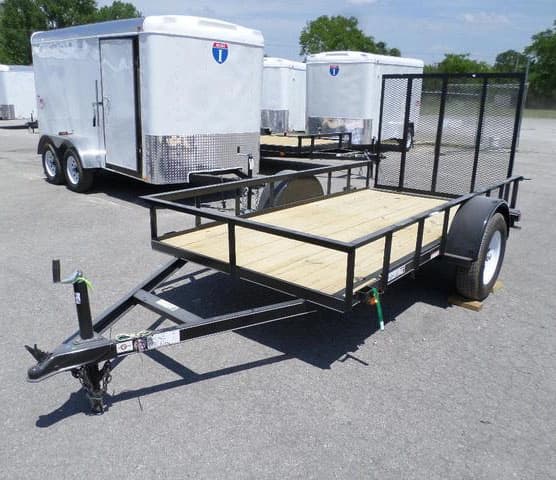
On an open trailer, the deck is a wear surface - if you are not sure it has another season in it, ask during your inspection. On an enclosed trailer, check that the doors still seal, because keeping weather and dust off the contents is most of why it was bought.
On a dump, the hydraulic lift and the battery that runs it. A body that will not raise is usually a charge line rather than a pump, and that is a cheap fix once it is diagnosed properly.
6. Lights and wiring, back to the tail
Finish where the trailer ends. Most light faults are connection faults, not failed lamps, and the plug at the truck is where they usually start. Dielectric grease on the pins takes ninety seconds and prevents the majority of them.
Anything intermittent is worth booking rather than living with. Intermittent means a connection on its way to failing outright.
Your Two Complimentary 40-Point Inspections
Every new trailer includes two, at 12 and 24 months. They follow the same walk as above and exist to catch the expensive things while they are still adjustments. Bring the trailer as you use it and mention anything that has felt different.
Parts and Booking
Bearings, seals, hubs, brake assemblies and magnets, couplers, jacks, lamps and lenses, harnesses, ramp springs, latches, D-rings, straps, tongue boxes and tires. Bring the trailer or its model details; axle and brake parts do not tolerate approximation.
Use the online scheduler or call the store. One of 92 TrailersPlus locations with more than 11,900 trailers network-wide, rated 4.8 from over 10,000 reviews across 25+ years, with roughly 95% of each trailer’s weight sourced in the USA.
7. What We Do Once It Is On The Rack
Brakes. Adjustment on every axle, shoe and magnet replacement, drum service, and controller setup against your actual trailer rather than a default figure. On a tandem both axles, every time.
Bearings and hubs. Repack, seal replacement, race and hub replacement where wear has gone past repacking, and spindle work where a bearing has already failed.
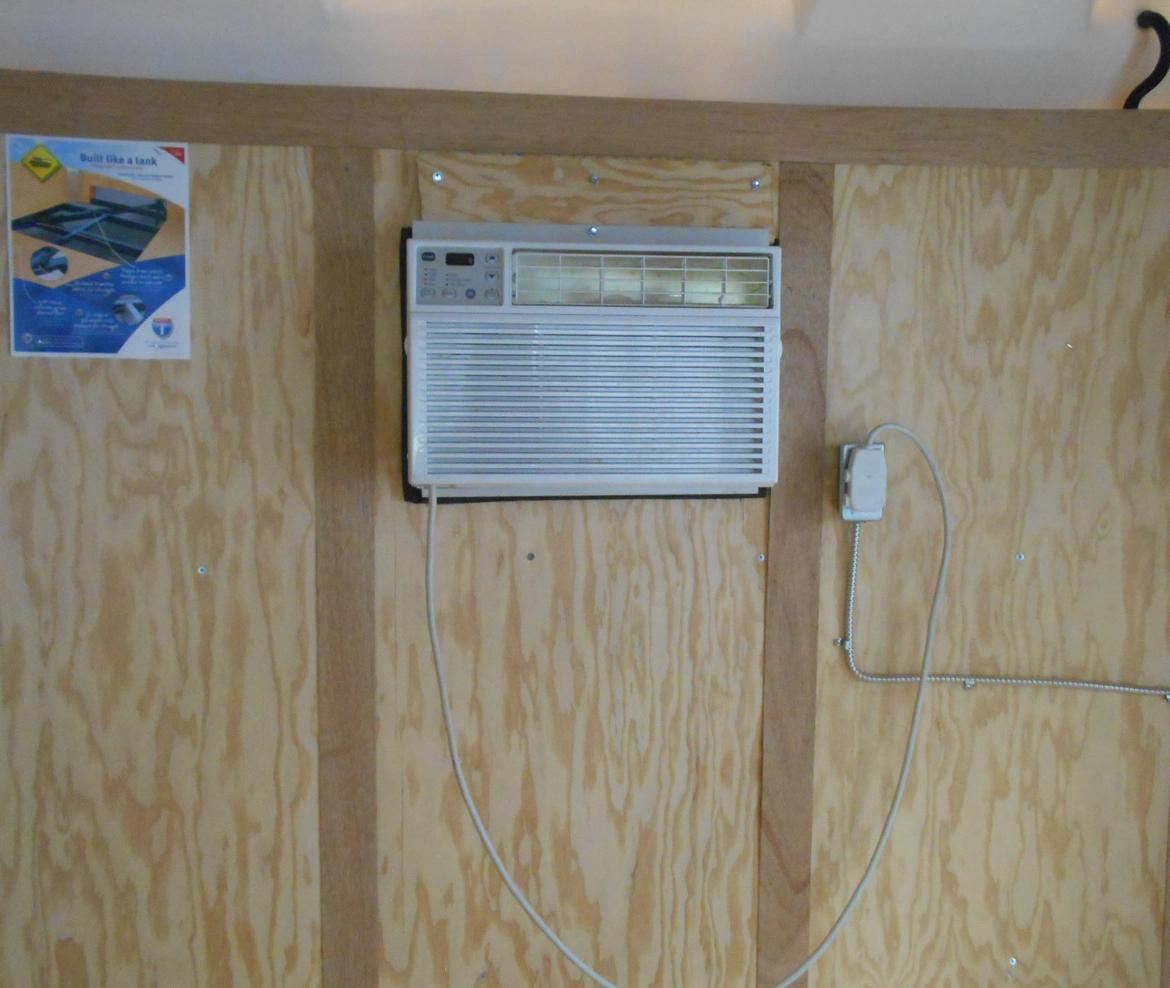
Electrical. Full circuit diagnostics end to end, harness repair and replacement, connector and ground repair, LED lamp and lens replacement, breakaway switch and controller work.
Hydraulics. Lift cylinders, pumps, lines and fittings on dump and tilt bodies, plus the battery and charge line that cause most no-lift calls.
Structure. Deck board replacement, floor sections, wall panels, roof seams and door seals on enclosed trailers, and frame weld repair around the tongue.
Hardware and fitting. Ramp gates, springs, hinges, latches and cables. We also fit hitches and tow wiring, add tie-down points and E-track, install dump tarp kits, and fit high sides, mesh siding or 24-inch side extensions where the work has changed since purchase.
Parts Counter
Bearings, races, seals, hubs, spindles, brake assemblies, magnets, drums and springs. Harnesses, connectors, LED lamps and lenses, ground straps, breakaway switches and controllers. Ramp springs, latches, hinges, cables, D-rings, stake pockets, jacks and couplers. Tongue boxes, spare tire carriers, security locks, tarp kits, E-track and cargo management hardware.
We hold parts for Interstate, Carry-On and Karavan builds, since all three are sold here. If it is not on the shelf it is usually a short order, and we will fit anything you buy rather than hand you a box.
Central Valley Specifics
Heat and dust are what this climate does to a trailer. Sun ages tire sidewalls faster than the tread wears, so trailer tires here get judged by age and condition rather than by remaining tread. Heat also shortens battery life considerably, which is why a dump body that worked all spring can refuse to lift in August. Dust behaves like a slow grinding paste on ramp hinges, gate latches and hub seals.
None of that is dramatic, but it does mean the intervals here are shorter than a manual written for a mild climate assumes. Ask us what yours should be for the work you actually do.

Join The TrailersPlus Community
Stay Up to Date With the Latest and Greatest






Loading...