installs - service - repairs
If you need service for your trailer, please call (480) 409-0196 or schedule an appointment today.
Schedule Service NowOur Trailer Experts Specialize In:
Fender repair/ replacement

Aluminum skin repair

Wheel bearing replacement

Electrical wiring and lighting issues

Tire replacement

Tongue jack repairs

Roof leaks

Cap replacement

Interior flooring repair

Interior walls repair

Brake adjustments

Leaf spring repair/ replacement

Spring assist repair/ replacement

Stone guard replacement

before and after
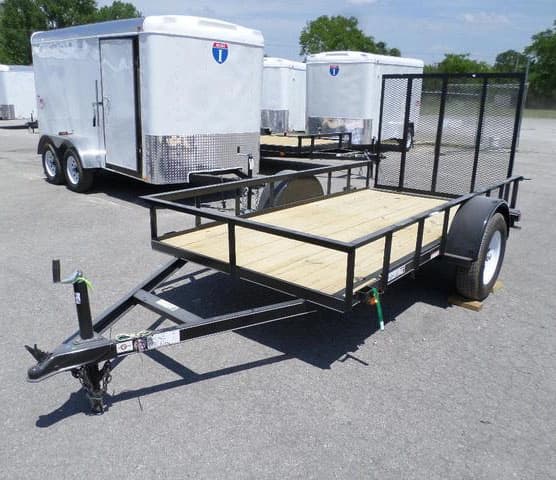
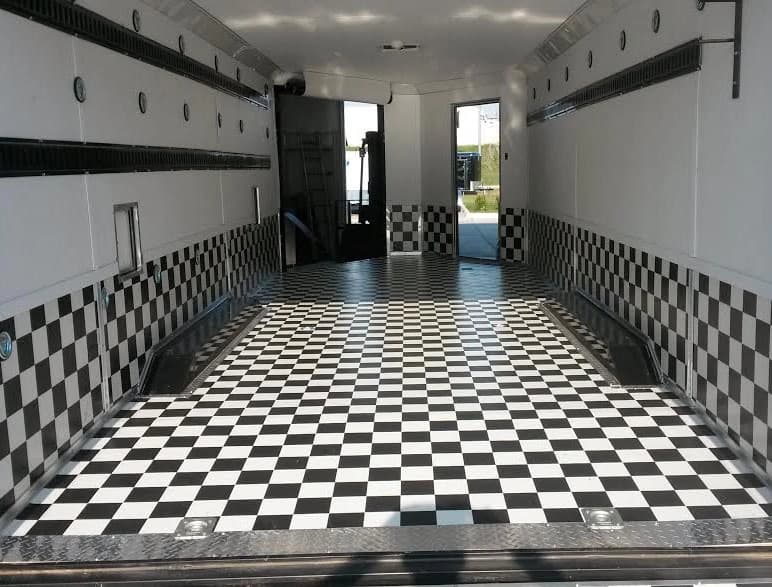
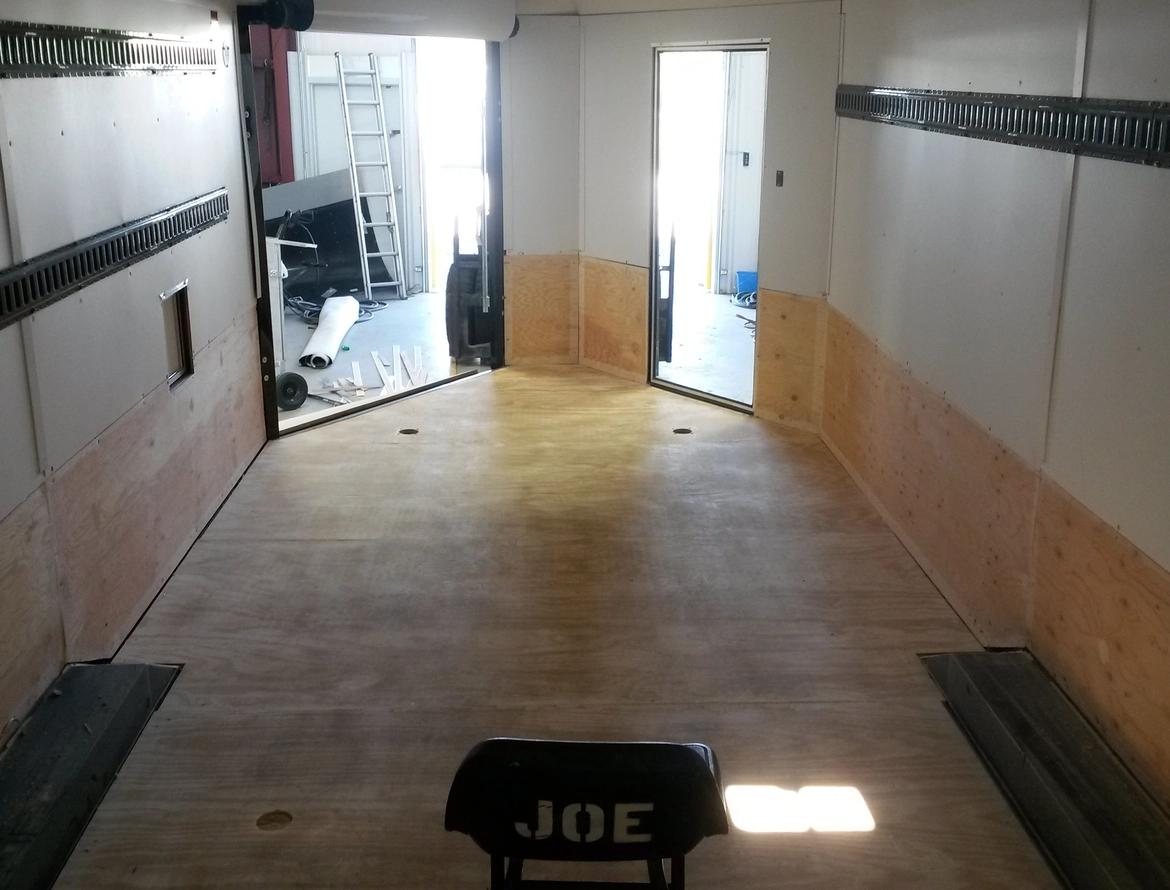
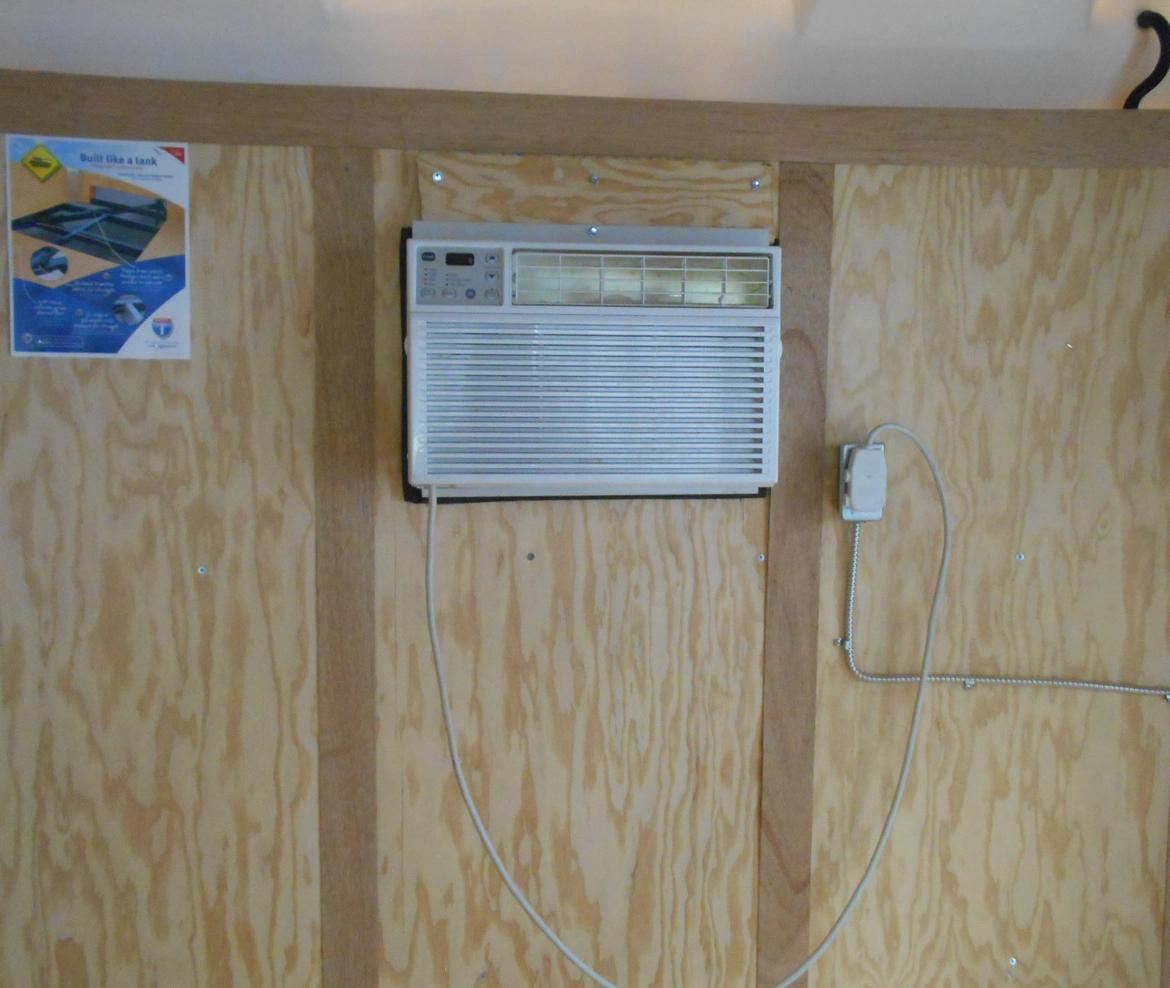
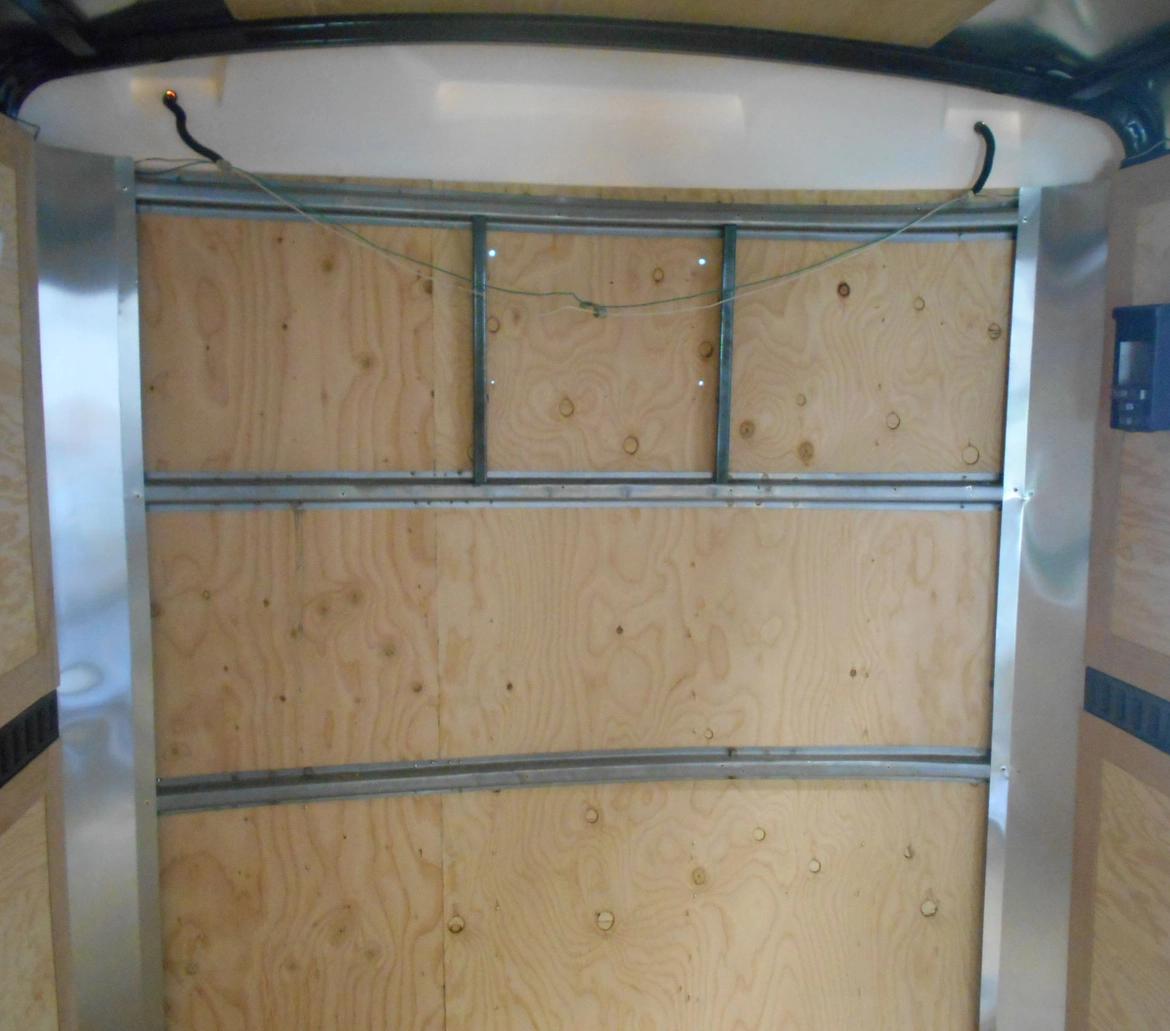
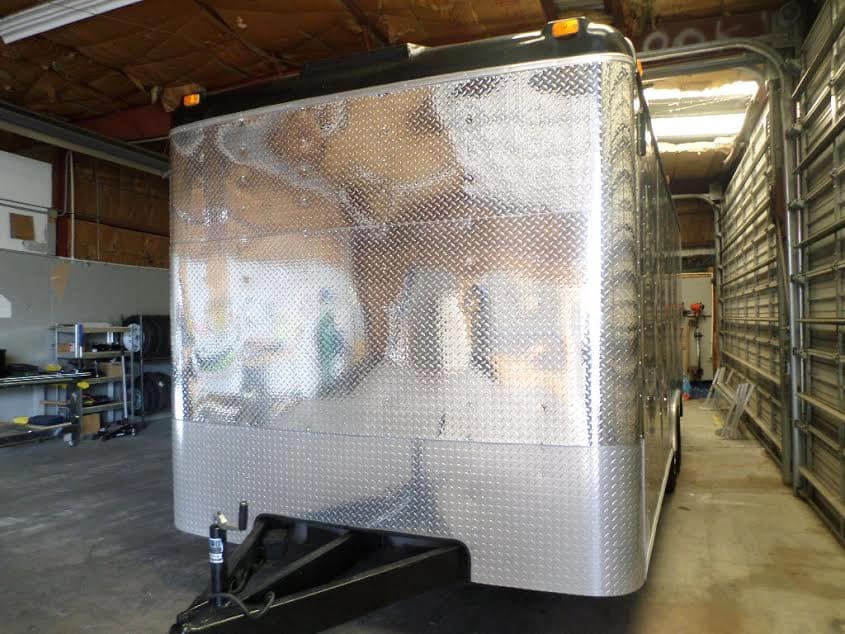
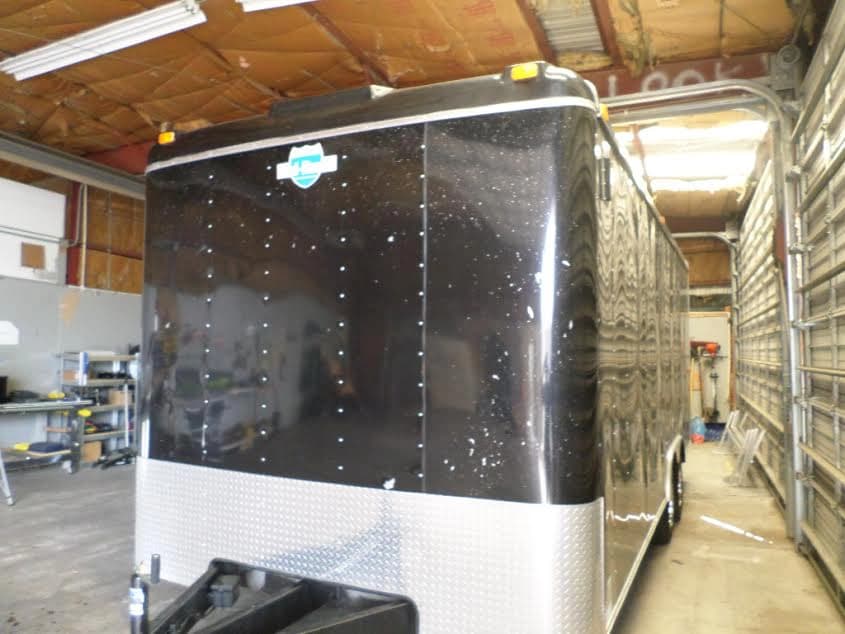
Trailer Service and Repair in Phoenix
Parts counter and service bay on site, for trailers we sold and trailers we did not.
Almost everything that goes wrong with a trailer in the Valley traces back to one of four causes, and none of them is mileage. Heat, ultraviolet, abrasive dust, and monsoon water. Organising this by cause rather than by component is more useful here, because the same cause takes out several unrelated parts.
Heat
Summer pavement changes how a loaded tire behaves, and underinflation is what converts that into a failure. Check pressures cold, against the sidewall rating rather than by eye, and remember that heat drives pressure up - an over-inflated tire on hot asphalt is its own risk.
Heat also thins grease and shortens bearing life, and it is hard on batteries. A dump trailer battery that would last four years in a mild climate does not last four years here.
Ultraviolet
UV is the cause people underestimate most, because it works on a trailer that is not moving. Tires age out of service here long before they wear out - sidewalls degrade from the outside, and tread depth tells you nothing about it. Judge trailer tires by age and condition rather than by wear.
It also attacks wiring insulation, lamp lenses, and anything rubber or plastic. Parking in shade when the trailer sits between jobs is the single cheapest maintenance decision available in this market.
Abrasive dust
Fine dry dust gets everywhere and behaves like a very slow grinding paste. Hub seals, brake assemblies, ramp hinges, and door seals on enclosed trailers all suffer from it. On an enclosed trailer a door that no longer seals properly is worth fixing promptly, because keeping dust off the contents is most of why it was bought.
Caliche and decomposed granite add the other half of this: they are abrasive in the body as well as in the air, which is why dump floors and walls here are specified in 10-gauge steel rather than anything lighter.
Monsoon water
Water arrives rarely, suddenly, and finds every marginal electrical connection. Most trailer light faults are connection faults rather than failed lamps, and the plug at the truck is where it usually starts. Dielectric grease on the pins takes ninety seconds and prevents the majority of it. Intermittent faults are worth booking rather than living with - intermittent usually means a connection on its way to failing completely.
Your Two Complimentary 40-Point Inspections
Every new trailer includes two, at 12 and 24 months. In this climate they earn their place: heat and UV damage accumulates invisibly, and an inspection catches a degrading tire or a hardening harness while it is still a part rather than an incident. Bring the trailer as you use it and mention anything that has changed.
Parts
Bearings, seals, hubs, brake assemblies and magnets, couplers, jacks, lamps and lenses, harnesses and connectors, ramp springs, latches, D-rings, straps, and tires. Bring the trailer or its model details - components vary between models more than people expect.
Booking
Call ahead where you can, and describe what the trailer is doing rather than what you think is wrong. Straightforward work can often be handled while you wait.
One of 92 TrailersPlus locations with more than 11,900 trailers across the network, rated 4.8 from over 10,000 reviews across 25+ years, and about 95% of each trailer’s weight sourced in the USA.
A Valley Service Calendar
Service demand here is seasonal in a way it is not in milder markets, and planning around it saves both money and time on hot asphalt.
October to March, the working season. This is when trailers run hardest and when the shop is busiest. Get scheduled work done at the front of it rather than in the middle - bearings, brake adjustment, and anything that has felt different since spring.
April, before the heat. The single best month for an inspection. Tires judged by age and condition rather than tread, batteries load-tested, and every connection cleaned and greased. Heat finds weaknesses that a mild month hides.
May to September. Watch pressures constantly, because ambient swings move them more than people expect. Battery failures cluster here - heat shortens battery life far more than cold does, and a dump body that will not lift in July is usually a battery rather than a pump. Park in shade wherever possible; it is the cheapest maintenance decision available in this market.
Monsoon, July to September. Water arrives suddenly and finds every marginal connection. If lights have been intermittent, this is when they stop being intermittent.
Parts and Accessories
Running gear: bearings, races, seals, hubs, spindles, brake assemblies, magnets, drums and springs. Electrical: harnesses, connectors, plugs, LED lamps and lenses, ground straps, breakaway switches and brake controllers. Hardware: ramp springs, latches, hinges, cables, D-rings, stake pockets, jacks and couplers.
Accessories worth having in this climate specifically - roof vents, additional interior lighting, tarp kits on dump bodies, spare tire carriers, tongue boxes, security locks, E-track and tie-down systems, high sides, mesh siding and 24-inch side extensions. We fit anything we sell.
Parts for Interstate and Carry-On builds both. Bring the trailer or its model details, because axle and brake components differ between model years.

Join The TrailersPlus Community
Stay Up to Date With the Latest and Greatest





Loading...