- Remolques volquetes
- Conocimientos sobre remolques
Elegir un remolque volquete no consiste solo en elegir una longitud y una anchura, sino en adquirir la herramienta adecuada para tu forma de trabajar. Un remolque demasiado pequeño te obligará a hacer viajes adicionales. Uno que vaya sobrecargado se desgastará prematuramente o te hará superar los límites de peso legales. Un remolque del tamaño adecuado equilibra la capacidad, la carga máxima admisible y el acceso para la carga, de modo que puedas transportar materiales de forma eficiente, segura y sin retrasos. Tanto si transportas escombros de obra, restos de techado, material de jardinería o maquinaria, tu remolque debe facilitar tu flujo de trabajo diario, no crear cuellos de botella. Antes que nada, ten claro qué es lo que transportas con más frecuencia, cuál es el peso habitual de esas cargas y si transportas maquinaria junto con el material. Esa combinación influye más en la elección del tamaño que las dimensiones del remolque en sí.
Remolques volquetes más pequeños: el tamaño ideal para trabajos ligeros
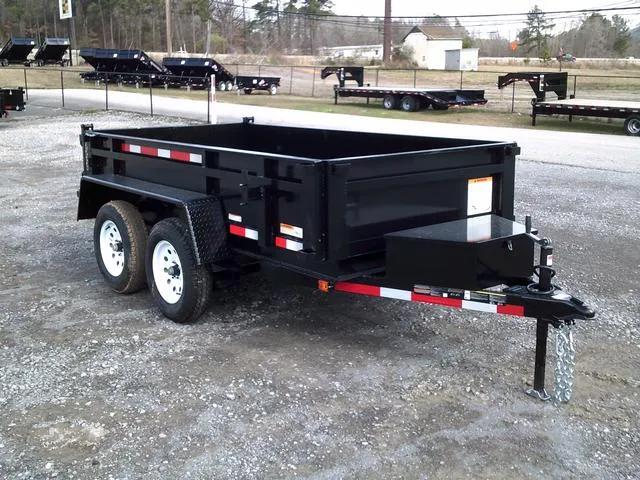
Si tu trabajo diario gira en torno a pequeñas tareas de limpieza, residuos de jardín, entregas de mantillo o mantenimiento básico de propiedades, un remolque volquete de 5x10 o 5x8 puede servirte para hacer el trabajo sin que sea más grande de lo que necesitas. Estos remolques son fáciles de remolcar, almacenar y maniobrar por zonas residenciales con poco espacio, especialmente al dar marcha atrás en entradas de garaje o trabajar en calles estrechas. Son ideales para paisajistas, manitas o propietarios que realizan reformas a pequeña escala. La mayoría de los modelos de esta gama están disponibles con ejes simples o tándem, con capacidades de carga de entre 5.000 y 10.000 libras. Esto te proporciona capacidad suficiente para maleza, mantillo, tejas o escombros en general, sin el volumen ni el coste añadidos de una unidad comercial más grande. Sin embargo, hay que tener en cuenta que el volumen y el peso aumentan rápidamente. Si sus proyectos son cada vez más grandes o frecuentes, un remolque de este tamaño puede convertirse en un factor limitante.
Remolques volquetes de tamaño medio: el caballo de batalla para las tareas diarias
Para la mayoría de los contratistas, empresas de reformas y equipos de jardinería, un remolque volquete de 6x10 o 6x12 es la opción ideal. Estos tamaños son lo suficientemente largos para palés, lo suficientemente anchos para material en general y tienen una capacidad nominal lo suficientemente alta como para soportar un uso habitual sin resultar excesivos. Un remolque de 6x12 con un peso bruto máximo admisible (GVWR) de 10K o 12K puede transportar cómodamente escombros de demolición, relleno suelto y maquinaria pequeña, como zanjadoras, compresores o minicargadoras ligeras. Estos remolques son lo suficientemente compactos como para caber en obras residenciales, pero están fabricados con la resistencia necesaria para el uso comercial. La mayoría de los modelos cuentan con rampas, puntos de amarre y puertas tipo granero o puertas combinadas para ofrecer flexibilidad a la hora de cargar y descargar. Si tu volumen de trabajo varía, este es el punto de partida ideal: te ofrece espacio sin resultar engorroso.
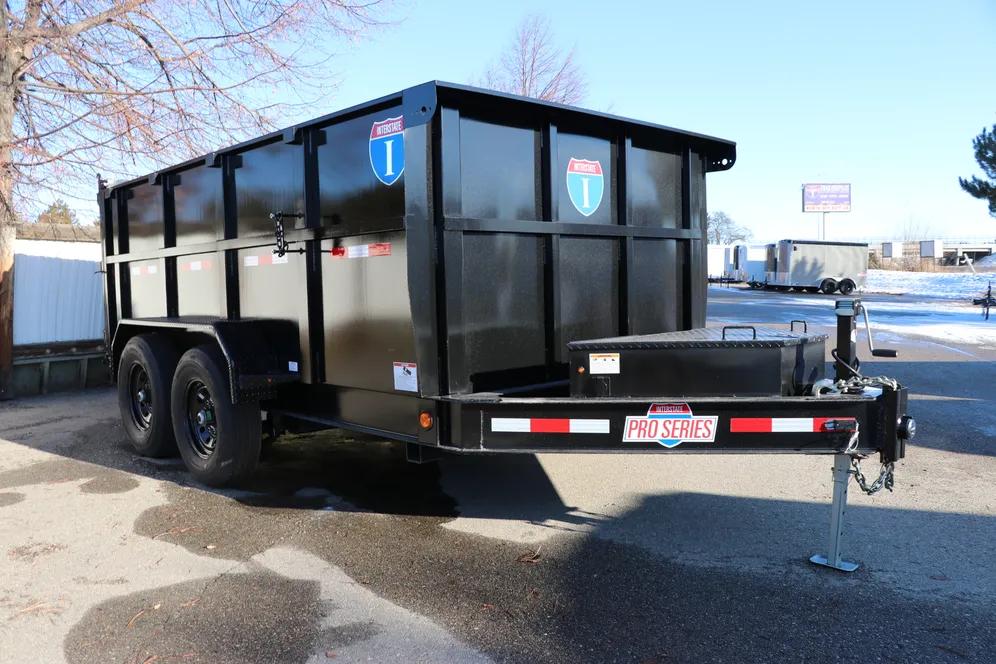
Remolques de tamaño completo: diseñados para transportar materiales y equipos pesados
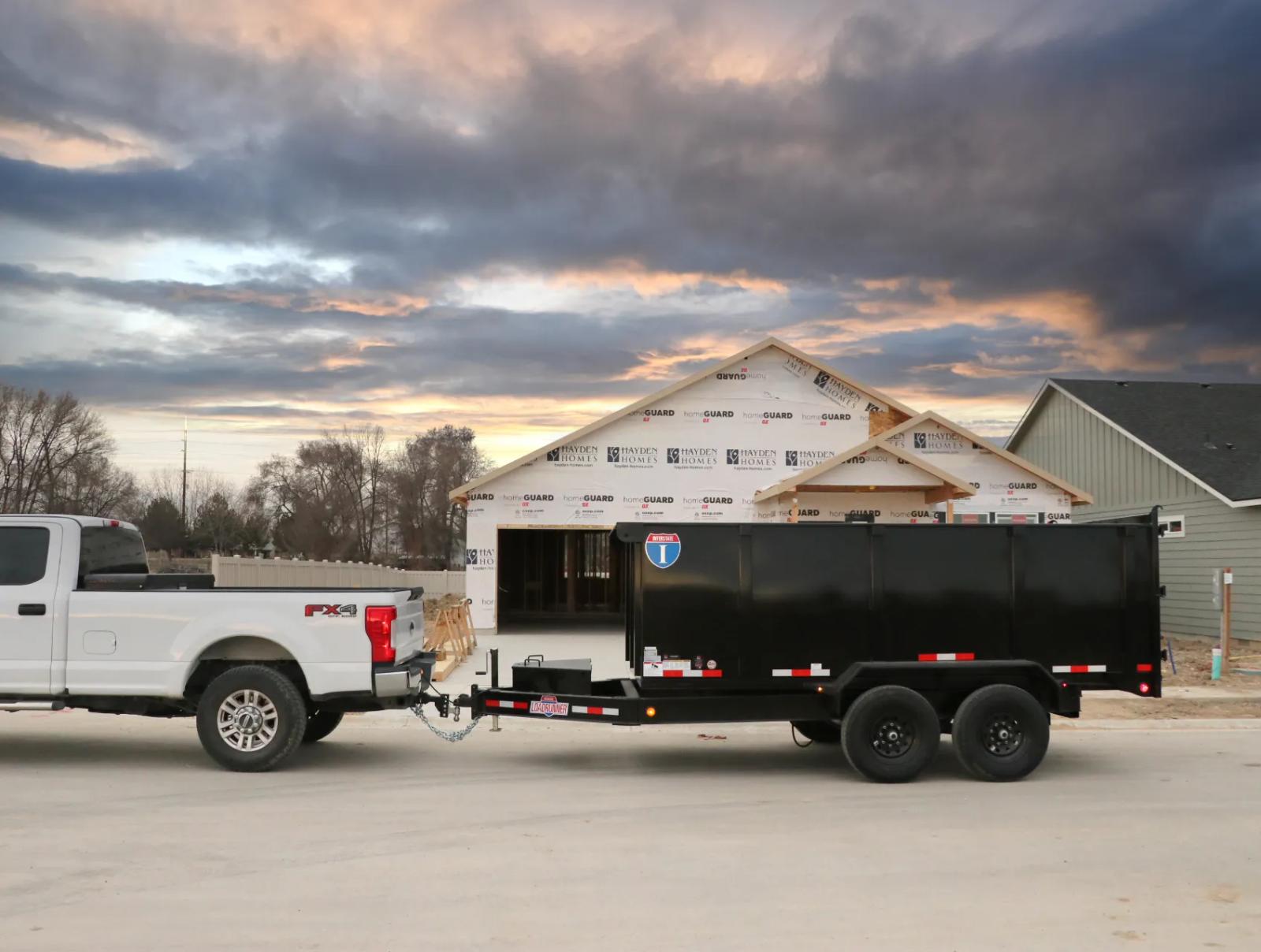
Si transportas cada semana cargas completas de rocas, hormigón o maquinaria, es hora de pasarte a los remolques de 7 pies de ancho con una capacidad nominal de 14 000 libras. Son el estándar para equipos de construcción profesionales, contratistas de nivelación o cualquier persona que trabaje con materiales densos o maquinaria pesada. Un remolque de 7x14 o 7x16 puede transportar cargas a granel sin sobrecargar los ejes, a la vez que te ofrece una plataforma más larga para una distribución adecuada del peso. También son más adecuados para transportar maquinaria como minicargadoras, miniexcavadoras o zanjadoras con asiento. Estos remolques suelen incluir puertas reforzadas, espacio de almacenamiento para rampas en los bajos, anillas en D soldadas y múltiples ranuras para estacas. Están fabricados para el uso comercial diario: transporte pesado, terrenos accidentados y ese tipo de trabajo que no se detiene solo porque llueva.
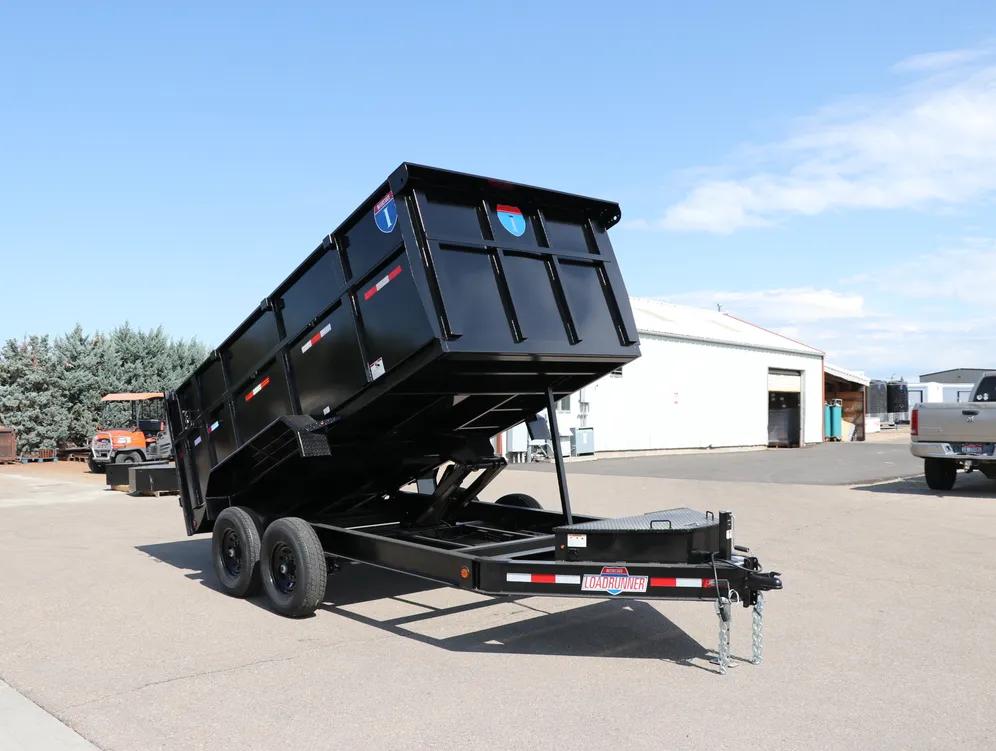
Conoce los requisitos de peso: el peso bruto máximo autorizado (GVWR) y el estado del equipamiento van de la mano
Dos remolques basculantes pueden parecer idénticos en cuanto a tamaño, pero si su peso bruto máximo autorizado (GVWR) difiere, también lo hará su rendimiento. El peso bruto máximo autorizado viene determinado por los ejes, el chasis y la suspensión, no por las dimensiones del remolque. Si transportas habitualmente más de 6.000 libras, es posible que un remolque de 10K no sea suficiente. Un modelo de 12K o 14K ofrece la resistencia estructural y el margen de seguridad necesarios para cargas más pesadas.
Esto cobra aún más importancia si además transportas maquinaria como minicargadoras o zanjadoras. No todos los remolques volquetes están diseñados para ello. Busca rampas de acero con capacidad para el peso de la maquinaria, anillas en D soldadas para una sujeción adecuada y puertas reforzadas para la carga de maquinaria. Si tu remolque transporta tanto escombros como maquinaria, el tamaño y la capacidad deben basarse en el uso más exigente, y no solo en el espacio físico que necesites.
No te saltes la lona: por qué es algo más que un requisito legal
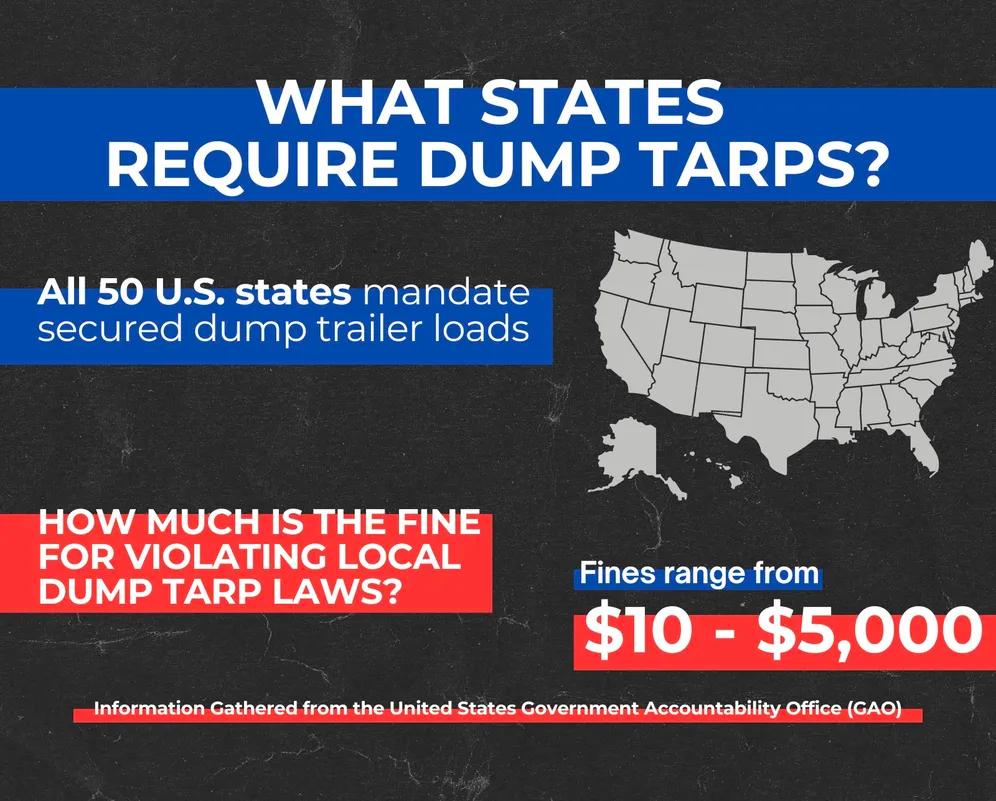
Si transportas material a granel en un remolque volquete, utilizar una lona no es solo una buena idea, sino que a menudo es obligatorio por ley. Materiales como la grava, la tierra o los restos de techado pueden caerse fácilmente durante el transporte, causando daños, obstruyendo las carreteras o suponiendo un peligro para otros conductores. A diferencia de los remolques cerrados, los remolques volquetes dejan la carga al descubierto, lo que hace que sea necesaria una cubierta segura en casi todos los trabajos.
Las leyes estatales varían, pero todos los conductores son responsables de garantizar que nada se salga del remolque durante el transporte. Muchos estados imponen multas —y, en algunos casos, incluso penas de cárcel— por cargas mal aseguradas. Para cumplir con la normativa, TrailersPlus recomienda instalar un sistema de lonas adecuado. Si aún no dispone de uno, puede concertar una cita de servicio en su centro local de TrailersPlus para que le instalen una lona. Con más de 80 centros en todo Estados Unidos, le facilitamos el cumplimiento de la normativa, la protección de su carga y la prevención de costosas sanciones.
Altura lateral: ¿perfil bajo o gran volumen?
La altura de las paredes laterales de tu remolque volquete influye tanto en la capacidad como en la accesibilidad. Los modelos de perfil bajo (de unas 24 pulgadas de altura) son más fáciles de cargar a mano o con máquinas como transpaletas y minicargadoras. Mantienen el centro de gravedad bajo y son más adecuados para aplicaciones de uso mixto en las que se carga equipo con la misma frecuencia con la que se descarga material.
Los remolques de paredes altas (hasta 48 pulgadas o más con extensiones) resultan más útiles cuando se transportan materiales a granel sueltos, como maleza, restos de madera o restos de techos retirados, que ocupan mucho volumen pero no son muy densos. Las paredes altas reducen los derrames y mantienen la carga contenida. Si tu trabajo es variado, busca remolques que admitan extensiones laterales desmontables para tener más flexibilidad sin quedarte limitado a una única configuración.
Piensa en el futuro: el tamaño del remolque debe adaptarse al crecimiento de tu negocio
Una de las cosas de las que más se arrepienten nuestros clientes es haber comprado un remolque demasiado pequeño. Tiene sentido empezar con cautela, pero si ya estás llenando tu remolque actual al máximo, puede que te resulte más rentable pasar a un tamaño superior ahora mismo, en lugar de tener que volver a comprar otro antes de que caduque la garantía de tu remolque. Un remolque ligeramente más grande de lo que necesitas hoy te da margen para crecer, ya sea para aceptar nuevos clientes, mejorar tu equipamiento o simplemente reducir el número de viajes por trabajo. Además, ayuda a reducir el desgaste de tu camión y del remolque con el paso del tiempo, ya que no estarás siempre operando a plena capacidad. En caso de duda, opta por un tamaño superior, pero solo si tu vehículo tractor puede soportarlo.
Elige TrailersPlus: que sea el trabajo el que decida, no el precio
En TrailersPlus disponemos de una amplia gama de remolques volquetes de distintos tamaños: desde modelos de un solo eje de 5x8 hasta modelos de ejes tándem de 7x16 con una capacidad nominal de 14K, pasando por modelos con cuello de cisne para flotas comerciales. Todos los remolques que vendemos están fabricados para un uso a largo plazo, con materiales de calidad comercial, sistemas hidráulicos sellados y una estructura de acero capaz de resistir las duras condiciones de las obras. Si no estás seguro de cuál es el tamaño adecuado, Acércate a tu tienda TrailersPlus más cercana. Hemos ayudado a cientos de contratistas a encontrar el remolque que mejor se adapta a su volumen de trabajo concreto. Te ayudaremos a analizar no solo qué funciones debe cumplir el remolque, sino también cómo resistirá el uso que le des en la práctica. Porque un remolque del tamaño adecuado no solo transporta material, sino que te permite cumplir con tus plazos y hace que tu negocio siga avanzando.